Absolum: Brilliant Combat, Complicated Story | The Backlog Breakdown Ep. 221
Transcript
Hello, and welcome to Welcome back to another episode of The Backlog Breakdown, a video game podcast where we seek to encourage and equip the church to engage the medium wisely and well. Okay, the script actually says responsibly, but I like well better. I'm one of your hosts, Nate.
Speaker B:Alliteration.
Speaker A:And with me today, as per the usual, is my friend, my co-host, my brother in Christ, Josh.
Speaker B:Hey, dude.
Speaker A:What's up? What's up, homie?
Speaker B:What's going on, my brother?
Speaker A:Dude, uh, we are deep into it at this point in time. Like, you know, we just— we finished up a— I feel like a bit of a— you know, we're gonna give everybody a little bit of like, you know, behind the scenes sort of like magic.
Speaker B:Already?
Speaker A:We actually— oh man, we record phone calls and then this back to back, and then we space the releases out over the, the the course of a week. But yeah, we just got done recording, I think, is, uh, our, you know, one of our better phone calls so far, uh, with, you know, pretty much our, our third chair, Paul. And, um, yeah, it was, it was good. It was a good time. We might have gone a little bit long. You know, that, that should come to, to as no surprise to anybody who knows us. Like, like you put— You, me, and Paul in a room. And I think some of the longest sessions we've ever had as a podcast have been with the 3 of us. If you throw Wesley into that mix, then it gets like just insane.
Speaker B:That's what I was going to say. I remember, you know, like the Persona 5 talk and stuff like that that was, you know, close to 3 hours. And even then there was stuff left on the table.
Speaker A:But Well, unfortunately, I think it is part of— it's just like stuff gets left on the table all the time. Just nature of the beast. But anyways.
Speaker B:Speaking of leaving stuff on the table.
Speaker A:Well, and I guess it's like I shared this with you and it's like listeners, audience members, viewers, whatever. I have a little bit of a dilemma.
Speaker B:Oh.
Speaker A:Because we do the backlog report and Sony, like PlayStation, is going through a little bit of a security crisis right now. And it is shockingly simple to hijack somebody's profile. And sometimes, like, You just need like maybe like, like I've been hiding, like I've been hiding a lot of my information, but it's like it's actually made me really hesitant to even want to talk about what I've been playing in too much detail. Um, just, yeah. So I don't know, man. Let's just risk it for the biscuit.
Speaker B:Uh-oh.
Speaker A:Maybe. Maybe I'm lying.
Speaker B:It's up to you.
Speaker A:And yeah, I just don't know how I'm gonna. I just don't know how I'm gonna handle it. But let's.
Speaker B:You can just talk about it, and I'll bleep all of it out. That would be the worst option because everyone that's terrible would hate it.
Speaker A:Everybody would hate it.
Speaker C:I'll—
Speaker A:I just don't know what I want to do with it anymore because it's like, dude, this is why we can't have nice things, people. Because what should be an inherently social sort of aspect of the thing where it's like we're talking about the cool things we're playing and sort of even with our metagame, it feels like it's compromised by bad actors out there.
Speaker B:Yeah.
Speaker A:And Sony's inability to like fix the security problems. Um, so I think for now I'm just going to sort of like sort of throw a little bit of a hiatus. I will still talk about my backlog score or my backlog. I'll do my backlog report in the Discord.
Speaker B:But yeah.
Speaker A:Cool. Even there, maybe maybe we start start vetting people. Bum bum bum bum bum bum.
Speaker B:Joining Discord just to to steal our PSN accounts. I don't know, man.
Speaker C:Shady.
Speaker B:That would be very nefarious if that were to be the case. Yeah.
Speaker A:But yeah.
Speaker B:Well, don't worry. Um, not only am I not concerned. 'Cause I'm not playing anything on PlayStation. But also, I just really don't have that much to talk about.
Speaker A:Mm.
Speaker B:Uh, in terms of, in terms of what I've been playing, 'cause it's only been Shin Megami Tensei V: Vengeance. Um, I say that, you know, I dink around with stuff every once in a while with the kids, you know, that's, that's just fun. My daughter's still excited for, um, the Switch Sports Resort game that's coming out here. Well, actually, by the time this releases, it might already be out. I don't know. Something like that. Maybe not. Maybe it's on the cusp. being out. So I don't know, we might end up picking that up, but we don't have it right now because it's not out yet. So there we are. Shin Megami Tensei V, really, dude, you know that I enjoy this game unless this is your first episode, in which case, welcome. Thanks for tuning in. I like Shin Megami Tensei. Shin Megami Tensei V: Vengeance. I'm taking this Vengeance route, seeing what's different. And while it starts off very similar, there are certainly differences and quality of life stuff. It's pretty cool. Um, and yeah, I don't want to talk too much about it because eventually we will have an entire episode about the game. But the parts that are different, particularly with the story and the explanation— and the explanations are not the most elegant so far. There, you, your character kind of falls into a dream state and then stuff gets explained to him in the dream state. Um, so that's kind of odd. Maybe, maybe it'll all make sense later. Hopefully it'll actually make sense later, in which case, uh, cool, good on you, you know. But I am interested to see where this is going, this vengeance route, um, especially, you know, because there's a number of new characters, some good, some bad. So, uh, but it is fleshing out the also this, the other side characters as well that were Maybe not quite as fleshed out in the original version. So anyways, digging Shin Megami Tensei V. It's a good one. I will say also, just to throw a plug out there, is we like playing spooky games in October. It's spooky season. And I can't remember if we mentioned on the podcast before or not, but if you want to play a spooky game with us, We're gonna be talking about Dead Space, the remake. We have a really old episode on Dead Space, the original. Uh, great game. We like it. Spoiler alert, we like that game. You can check out that episode if you want to hear our thoughts on it. Maybe I should go back and listen to that episode because that was years ago and I'm curious about what my thoughts were then. We will be giving thoughts on the newer one here around, you know, the spooky day. Uh, so that, that's coming up. And like I said, if you want to play it with us in terms of play it around the same time that we're playing it, share your thoughts in the Discord so that we can bring it up when we do talk about the game. Hey, that is open and available to you. Um, like, like I said, check out the Discord. We're playing Dead Space. But I haven't started it yet. By the time this airs, I will have started it. But by the time this is recorded, I have not started it. So that's fun. Dead Space. Play it with us. It's, it's, it's spooky. That I know. They can't get rid of the spookiness.
Speaker A:Yeah. I mean, the original is probably one of my favorite games of all time. Um, it's, I, I, I mean, I could look this up.
Speaker B:Did it?
Speaker A:Let's see if it made it. I can't— I need— this has got to be the most entertaining radio on the face of the planet.
Speaker B:Yeah. Well, it's what they call in the biz, they call it dead space.
Speaker A:Oh, is that what they call it?
Speaker C:Yeah.
Speaker B:We're just giving a bit of that back, just trying to freak people out.
Speaker A:Well, we're trying to prep them. So let's see, topical, blah, blah. I'm looking through all of our different documents here, and I know that I put together—
Speaker B:A top 10 document.
Speaker A:A top 10 document, and now I cannot find it. This is the worst. Oh, man. Uh, coffee, beatdown rules, blah blah blah. Part of it was I went, I went crazy for a little bit, um, like working on putting together— hold on, just see what happens here. Top 10.
Speaker B:Yeah, maybe.
Speaker C:I—
Speaker A:what? What? Is it not— I mean, is it in my other one?
Speaker B:You'll find it.
Speaker A:I don't know. Oh, here it is. Okay. Yeah, it's number 3 on my list.
Speaker B:There you go.
Speaker A:Took me forever and a day to find it. That is insane. Um, but yeah, it's— I think it's a pretty good game. Do you like the game?
Speaker B:A little bit?
Speaker A:Dude, the original— I'm a huge fan of the original as far as, um, just, uh, I'm, I'm actually filling in Uh, um, show notes. Again, came in this super prepared.
Speaker B:Um, but yeah, definitely.
Speaker A:But it's, um, yeah, I don't know. It's, uh, I, I think it's— Dead Space is just awesome. I think one of the things is that it is an exceptionally, like, it is real big on the spooks, but also real big on the good old hyperviolence.
Speaker C:That's true.
Speaker B:That's true.
Speaker A:It is a game that I have Been pleasantly because I'm I'm playing it. Whatever.
Speaker B:Okay. Yep. For because spooky season, you know.
Speaker A:Spooky season. Yeah. But um no way.
Speaker B:Uh oh.
Speaker A:I just looked up the the ESRB rating for Absol Absolum.
Speaker B:Yes.
Speaker A:Apparently, uh they have an E10 plus.
Speaker B:Oh, that's right. It is E10 plus.
Speaker A:That just, that just feels like, I mean, maybe 10+ is like the— anyways, E10+, that's, that's insane to me. Yeah, of course I don't know how the ESRB works, so.
Speaker B:Well, that's, that's interesting, uh, because that is the game that we're gonna be talking about today. Isn't that crazy? I mean, oh my goodness, like, that's what a coinkydink.
Speaker A:Mm-hmm.
Speaker B:Mentioning, which actually, in a, in a strange, in a shocking turn of events, as of the night of this recording, before we started recording, I found a— it was a pre-release video. It was some sort of a trailer that had voiceover to it. I don't think it was the original announcement because they— I think they went into more depth. But the announcer, she pronounced the name of the game the way that you just did. Absoloom. So, which apparently is terrible. Out of all the ways that I thought you could pronounce the name of this game, that was not. That was not one of them.
Speaker A:No, no.
Speaker B:Absoloom.
Speaker A:Absoloom. It's really, it's, it's really unfortunate.
Speaker B:Um, it might be one of those Titus Titus situations. where like, I know technically what the right answer is. Of course, I just think it's funny to say Tidus. And so even though I know that's the correct answer, um, it doesn't— I fully, I fully admit like that does it. Tidus is a much better name for the main character in Final Fantasy X.
Speaker A:Well, Tidus makes sense because of the water themes.
Speaker B:Right, exactly.
Speaker C:Exactly.
Speaker A:Here's my problem with Absaloom. Is it kind of ignores the rules of grammar. True.
Speaker C:Yes.
Speaker A:Because grammar-wise, now granted, anytime you run into the fantasy proper noun thing, it's like, we're just going to make up the rules on what these words should sound like. And at that point in time, and there's a part where it's like, okay, yeah, you can do that. But also, That's kind of lame, and you suck. Don't do that.
Speaker B:Yeah.
Speaker A:And so, looking at this, I would say either Absalom or Absalom. Yeah, that's like so. But Absol Absol Absolum. Yeah. I hate that.
Speaker B:Yeah, it is. It is very strange. It is very odd to me, and I probably will throughout the course of this episode refer to it as Absalom because that's just how I have been referring to it in my head. You know, as I've played the game, things like that. So, which is funny because you don't even know what the title of the name— what the title of the game is. You don't even know who the titular character is in the game till after you've rolled credits. Spoiler: it's Absalom. Anyway, or actually, no, I take that back. It's Absoloom.
Speaker A:It's Absoloom.
Speaker B:Bum bum bum. I didn't even know that until just now. Anyways. Um, yeah, this, this is the game that we are talking about this evening. That was my, that was my terrible segue into actually, you know, starting to talk about this game. What's up?
Speaker A:Well, and I think like just kind of getting into this, the, the reason we're going to be playing this is that this was a patron pick. Um, friend of the show, uh, Alex Castellanos, AKA Big Chill. This was his patron nomination. It got the necessary amount of votes. And we were gonna do it, and, or, you know, we wanted to have him on, but scheduling didn't work. So that's, that's a big sad for us. You know, I'm sure that Alex is probably like super grateful because he actually gets to like sleep in and like be a normal human being instead of staying up entirely too late hanging out with us.
Speaker B:Yes.
Speaker A:Yeah, even though we, I'd say like, you know, not to sound too self-aggrandizing, but, uh, I'd say, you know, we're enjoyable. We're a good time.
Speaker B:I enjoy it. That's why I do it, you know. But, uh, yeah.
Speaker A:But anyway, so that's why we're playing the game. Um, and just to sort of like give you some like pretty— like to give the listening audience a little bit of a, you know, kind of like just a bit of a heads up here. Um, I, I already spoiled the fact that it is rated E Everyone 10+ by the ESRB. Uh, there's some violence, you know, fantasy violence. There's some smoking references. And part of the reason that I just kind of was like, I was like, no way is this E10+, it's like, is that it seems a little excessive for an Everyone 10+, but I guess it's anyways, whatever.
Speaker B:Yeah.
Speaker A:But, um, it was developed by Guard Crush Games and Super Monks. Uh, the publisher was, uh, Dotemu, or Dotemu, I've heard that said. That's another one. Weird proper—
Speaker B:Oh, that's a good point.
Speaker A:Proper name, proper noun shenanigans. Uh, it did come out last year in 2026. It is available on iOS, Android, Windows, Xbox Series, uh, Switch 1 and 2, and PlayStation 4 and 5. Um, as far as I know, there's only one version of this game out, and the elevator pitch is like, hey, what if we got Streets of Rage 4 And we mixed a little bit of roguelite action into that. And we set it in sort of a— it's like, actually, I think a better elevator pitch is like, hey, everybody loves Golden Axe because that game ruled. What if you did that, but you kind of like put a whole bunch of like Hades and maybe Slay the Spire in there as well?
Speaker B:Yeah.
Speaker A:And that's what you get. And, uh, Yeah, it's, it's actually kind of awesome. It's a brawl. It's a roguelite brawler. Um, so it's like the 2D side-scrolling brawlers à la, uh, Streets of Rage 4, à la, uh, Turtles: Shredder's Revenge.
Speaker B:Shredder's Revenge. Yeah.
Speaker A:But it's not done in a pixel. The, the art is, is much more like cel-style animation, sort of like that. I think they call it the 2.5D. I don't think they're, they're 3D models though. I think it is just like—
Speaker B:I don't know. It looks like animation frames to me.
Speaker A:Yeah. Anyways, got a really great art style, but, um, the core loop is, it's pretty much that. It's a 2D, uh, beat 'em up brawler kind of game, but then it has, uh, roguelike elements. So there's a lot of dying. And coming back. There's a lot of acquiring power-ups and clearing out scenes and currencies and sort of like there's that whole constant like reset, rewind, try again.
Speaker B:Mm-hmm.
Speaker A:Upgrading, you can upgrade powers and perks and you can find little like trinkets and equipment to sort of give you extra passives. Mechanically, I'm just like, Straight up, like, this game is— I mentioned Slay the Spire, I mentioned Hades. Those games mechanically are rock solid, like, super fun to play. I would actually say that this one— actually, no, I, I was going to say this one feels a little harder. I don't think it is. I think it's comparable. Like, I think they're all sort of on the same level because like Slay the Spire is not exactly an easy game, you know, and neither is Hades. It's like, I'm not saying that they're the hardest games in the world, but Absalom, I'm not going to call it that. I'm just not. It's, it's a, that is a really dumb way to say it. Absalom is, um, it's, it can be a little intense. Um, but that's part of the, the roguelite cycle, the roguelite progression.
Speaker B:So, right, right. Yes. It expects death.
Speaker A:Yeah. It expects you to die often. Um, that's part of the loop. It's like kind of get good. And maybe this time when you go through, you'll get like the right RNG to get some like really useful perks that it will sort of accomplish. Yeah. Anyways. Um, And the— it's, it's set in this sort of post-apocalyptic fantasy world, and there's sort of an evil empire thing going on. I don't know. Um, yeah, it's pretty—
Speaker B:A lot of it's kind of standard kind of fantasy. Uh, I mean, like Dungeons and Dragons. Um, yeah, I think of the, the What, Mystara? I can't think of what it's called.
Speaker A:No, I think that the Chronicles of Mystara. Yeah, it actually, it's very kind of coded towards that.
Speaker B:Yeah.
Speaker A:Um, yeah.
Speaker B:And there are some, you know, like extra kind of races and things like that. There's a race of frog people, uh, in this game. So, so it slightly differentiates itself, but it's not, uh, you know, it feels very at home with a lot of those other games. leaning a lot more heavily into the sorcery rather than the swords. There are human characters, NPCs, they're human NPCs. None of your characters are human that you play as or that are in your kind of gang that you are a part of. Well, I take that back. Actually, there's that older guy who gives you upgrades. So there's one human character. But in general, I mean, unless, unless you want— anyways, I'm, I'm— I don't mean to nitpick, uh, so, but it is definitely leaning more into sorcery than it is—
Speaker C:All for it.
Speaker A:So you start the game with 2, uh, playable characters, and it's Karl and, um, Galandra, right?
Speaker B:Yes. Yep.
Speaker A:And Karl is a dwarf who has like a gun, and it's— and again, this is a brawler. So, and this is like one of the things too where I would just say I actually think that the combat in this, like mechanically, is probably some of the best in any brawler I've played. I agree.
Speaker B:I agree.
Speaker A:There's— it's simple in a lot of ways. There's not tons of pieces. It doesn't throw a ton of different combos and pieces at you. But there's— and like, there's the thing with the dodging and the counterattacking.
Speaker B:Right.
Speaker C:Yeah.
Speaker A:Like, you can— if you dodge at the right moment, it will basically break your enemy. Like, it'll sort of like break their stance, kind of like stun them for a second. Or if you attack, it's the heavy attack, right? If you heavy attack like into their attack, it sort of cancels out their attack and stuns them or something like there's There's something in there where like, there's like almost like, it's almost like a parry kind of window where like you can break them mid-attack. Um, if you time things right. And, but then there's like, there's lots of aerial combos and it's very arcadey because like there's the whole, like the combo counter, like in most brawlers. So I don't know. It's, um, yeah, it's, but it's really great.
Speaker B:Right. I, I agree. So it is, you know, there are some, you, you go back to some of the classics within the beat 'em up genre. I think of The Simpsons Arcade, you know, and really you only have one attack button in that game, right? I think that's— I think you only have a few. I could be wrong. Maybe there is a second attack button, but really a game like that is super simple. It's so much fun, don't get me wrong. But this game, it does— there is a lot more that you can do. There's a lot more tricks up your sleeves. Between the parrying and the dodging, the clashing, the things. Yeah, like you said, aerial attacks, things like that. Special moves and multiple types of special moves that you get. And some of this stuff comes over time. Some of the stuff you unlock. So, but on top of that, then there are all kinds of different equips and bonuses and things that you're getting throughout your particular run. that add extra, if not extra complete moves, which they can do sometimes, then it incentivizes playing a different way, doing more parries or doing more clashes and getting those— that timing down and things like that. So yeah, there is something— while the core mechanics are very similar in that, hey, just wail away on the, on the light attack and then finish it up with a heavy attack.
Speaker A:Yeah.
Speaker B:You know?
Speaker A:Yeah.
Speaker B:While in practice, yes, you are still doing that a lot. You have a lot of things in your arsenal. And then as you progress further and you fight different types of enemies, then you need to learn, oh, what's the best thing that I do? Oh, I need to keep my distance from this type of enemy. You know, I need to get in quick and, and attack this enemy before it explodes. You know, there, there is something really special just about the core mechanics of this game. I mean, frankly, I think the mechanics— we haven't even talked about the roguelite portions of the game, but the mechanics of this game are what shines, what makes it special. And I think the best part of this game is the gameplay. Yeah, sounds kind of stupid, but I think if you've played games, you understand what I'm talking about.
Speaker A:Well, and I think that's like— I think that sort of, again, the touchpoint I gave was Slay the Spire. The touchpoints I gave were Slay the Spire and Hades.
Speaker B:Yeah.
Speaker A:And I legitimately think the systems in those games, the mechanics, the gameplay loop is the best part of those games.
Speaker B:Yeah.
Speaker A:And actually, I think in a really similar way, it's the story. And now I think— I do think sort of— I don't want to get too far afield here or too into spoilers until we're ready to sort of like talk about this. I do think we need to just preface like any spoiler talk and saying like, you and I have only, we have not done completion runs because there is a point where it's like, you can roll the credits for this game, but you haven't, you haven't beaten, beaten the game. It's like, you know what it actually reminds me of is, uh, very similar to like the Hades thing where it's like, it wasn't until you had done multiple runs that you sort of unlocked all the story beats. So it's—
Speaker B:Right.
Speaker A:It seems like it's kind of got that going for it. And so maybe there's more to the lore, but even sort of looking at the lore online and sort of some of the discussions and everything else, I'm just like, yeah. Yeah, the story is probably the weakest part. I'm pretty comfortable saying that, even having not done the completion run yet.
Speaker B:Yeah. Yeah. So, so along with that, yeah, I do just want to make it clear, this episode is not going to be comprehensive. It's not a comprehensive look at the game. It is simply sharing our experience with the game. Neither of us have finished, have finished the game in the sense of all of the extra content, the post-game content.
Speaker A:Yeah. That, yes, there's story. Well, and that's the thing, is because there's a primary goal. And once you do that, you've technically beaten the game. Everything after that is post-game because there is more. But again, it's comparable to Hades in that, yeah, once you get to a certain point, you've technically beaten the game. But there's also more there to sort of discover.
Speaker B:So, that, that brings up 2 points. And so we can go to either one. We've talked about mechanics. Um, I do want to talk about the, all the, I don't want to go into detail, but you mentioned Hades and, and to me, once you really start playing this game after, after a couple hours, Then it really starts to feel like Hades just in a beat 'em up format. Um, we can go that direction. The other thing that I want to tackle, um, is the sense of progression that you get from this game.
Speaker C:Mm-hmm.
Speaker B:Um, because I think it is fairly— the, the, um, not necessarily the story, but the unlockables that come with story content are sprinkled in throughout this game. Such that you're not going to get it on a run. I mean, it's kind of, I don't know if it's RNG or if certain things only unlock after a certain amount of runs or what, but it feels like you're constantly making progress. And I think that's something worth talking about before we get into spoilers. So which one of those would you like to tackle first?
Speaker A:Um, I mean, we could talk about the, the progression loop. Um, okay. Just like, yeah, it is. I, I think until you hit postgame. Yeah. And even after postgame, there's like, there's always like more stuff to find. Like there's the, the little trinkets, the, the artifacts or what the relics or whatever they call them.
Speaker B:Um, yeah.
Speaker A:There's a pile of those. And I do think some of them are tied to particular instances that can only be triggered like later on in the game. Um, but yeah, but yeah, there's just like a million and one things to do. And even sort of like, there's like, you're constantly earning currency, so you're constantly unlocking skills. Like, you know, full disclosure, like there's like the 7 or 8 like primary like trait trees or whatever, like fire, nature, whatever.
Speaker B:Mm-hmm.
Speaker A:like time, all the different things that you unlock. I still— there's one I still haven't unlocked.
Speaker B:Okay.
Speaker A:I was actually making runs at that and I forgot what I was doing. Like, I had beaten this and I kind of like taken some time off because like, we— this is— we— the podcast, it's like, you know, it's like you just kind of get playing a million different things. And I always meant to go back and continue playing some more of this, but I haven't yet. But anyways, I picked it up. I did a couple runs the other day and I was like, oh yeah, what was I doing? Oh yeah, this is what I was doing. And then I haven't played since I figured out what I was doing. But yeah, the game's great in just like, it always kind of like, it, it does like that perfect job of like, it gives you just enough carrot to keep you going after more, like all the time.
Speaker B:That's it. That, that's it. And I think in with this game in particular, um, that is a, a I'm trying to think of the right words to express that. I think that's kind of the special sauce to this game where a lot of other beat 'em ups pale in comparison in this aspect.
Speaker A:Mm-hmm.
Speaker B:Uh, is that with most beat 'em ups, they don't have the sense of progression, or if they do, they don't have the amount of content. that this game has, um, because the nature of roguelite games is such that you are going to die and you are going to lose progress. You're going to have to make a lot of runs. You're going to have to run through the game and run through similar things, really a lot of the same areas over and over and over again. What this game does, and it requires you to die. When I say it requires you to die, I mean in order to upgrade anything for your character moving forward, you know, so oh, you hit 0.5% harder now. In order to to unlock those upgrades, you have to die and go back to your main hub. Okay, so dying in this game, if you get so far, then you get you know you get your collectibles, whatever, and then you use those collectibles in order to unlock these different upgrades. And so you do need to die in order to upgrade yourself and so that the game isn't a slog. So the game gets easier to a certain point. You unlock more and you can progress. Okay. So that's— there's that in the straight line. Okay. To get to your destination, your main goal, taking out the main bad guy. Along with that, there are also multiple routes in order to get to that final bad guy. including completely different areas of the map. At one point in the game, you sail, you know, towards where the bad guy is, and you can sail to different islands if you want to.
Speaker A:Mm-hmm.
Speaker B:So either you go to this left island or the right island before you go to where the bad guy, the main, the main bad guy is. And depending on the route that you go, you might run into another NPC character, and then you learn about that NPC character. You learn about the, The people that were on this island, that are, that were on this island, you know, this new race of people and what they've been going through. And you learn their story as well. But then that unlocks, oh, actually way back there, you know, there's, there's this thing that I need. And so that tells you, okay, next time I die, if I come back to this island, then I'll make sure that I go back there where this person's talking about. So that I can complete this little side quest thing and get something new. What I'm saying, these are just examples of the way that the game sprinkles in progression in a game that is inherently about trying and dying and trying again and dying and trying again. And it's kind of— and there's an element of RNG with the things that you can pick up and the different bonuses and special moves and things like that that you have in each run.
Speaker A:Mm-hmm.
Speaker B:à la Hades, you know, and that's where I think it feels a lot like Hades. But the sense of progression with this game is frankly a weak point with most beat 'em ups where I think this game shines in that it feels like you are always making progress even when you die. My one slight nitpick Is that I do think the runs take too long. Yeah. In that, in order to get to the main boss, you're going to have to play for at least an hour. Um, and so it's not as much of a pickup and play game as something like Hades was.
Speaker A:I, well, I think Hades, you know, it was like runs, full runs. Like, now to be fair though, it's like you can, you can just sort of like say like you can play for like 30 minutes. You can play for 45 minutes and then sort of save and quit. like, come back.
Speaker B:Okay.
Speaker A:Um, but yeah, and I do think, like, I feel like Hades— it's been a while since I played Hades too, but I did.
Speaker B:I feel like Hades was more in that 30-minute.
Speaker A:It could be. I, I feel like the 30 to 45-minute sort of window was pretty appropriate. But again, I'm just talking feeling. But yeah, I, right, I do sympathize. Like, I do sort of agree that it just, it does feel like runs just feel like They take just a little too long.
Speaker B:Yeah.
Speaker A:Most of the time. Yeah.
Speaker B:Yeah. Yeah. So, um, but those are the things that I wanted to talk about is that I do, I do think this game shines in its progression because they found a way to make a, a type of game, the beat 'em up genre, belt scrolling kind of game that generally does not have progression. Um, and they found a way to make it. satisfying as well.
Speaker A:Or it is a pretty fulfilling sort of system. Yeah. Yeah. Just like there's a lot of, again, sort of like dopamine, sort of like feedback loop stuff that is a lot of fun and that's to be commended. But yeah, I think I don't have any other notes really.
Speaker B:Like I said, You, you mentioned it, um, but just to, to throw it out there, when I said that the game feels a lot like Hades, it's because you have different builds.
Speaker A:Mm-hmm.
Speaker B:And this is another roguelike— no, roguelite deal, uh, where there's a random element. You, you beat certain parts of levels and you get an upgrade, but those upgrades are random. You get to choose which upgrade you want out of 2 or 3, um, but And it could give you special powers in a number of different ways, but your choice affects the rest of your run. So some runs are going to be way worse than others. Some runs are going to be absolutely killer. I had one run where I remember— so I was playing it 2-player with me and my, my son. And we got up to a boss. By the time we got to a boss, we had recruited, I think, like 6 other characters that were fighting for us. And we had gotten a lot of buffs for those characters who were fighting for us. And we just destroyed, absolutely destroyed, no contest, this boss that we had never even fought before. Now, he took out most of our allies, but it was insane just how many allies we had and how they were playing off of each other to beat this boss. It was crazy. But stuff like that was a lot of fun. It just randomly, hey, we got really lucky on getting the allies, but also the, you know, upgrades and things, the builds that we had intentionally gave bonuses to our allies as well. So that's why we could have so many. So, um, things like that happen and it's, it's random, but it has an element of choice to it as well.
Speaker A:Yeah. Cause it's like after you clear a, uh, Like a sequence or like a scene or whatever, there's usually some sort of reward and sometimes it'll be like some sort of perk or passive or something. Yeah.
Speaker B:Yeah.
Speaker A:Um, but yeah, it's, I like, I think like, you know, it just goes back to this idea where the gameplay side of things is excellent. I think that the art is actually really pretty great. Pretty charming. Uh, I don't really have much to say about the, the music. Um, but it's, it's not bad. Felt pretty cool. Yeah, for the most part. Like, so yeah.
Speaker B:But yeah, I, I don't think it's absolutely standout. I think there, I think there's good music. Um, when you fight the first, you know, kind of big boss guy, the Underking, I think is his name. I could be wrong on that. Um, And it's like this crazy metal. I mean, it feels like Doom 2016.
Speaker A:Uh, that one's pretty good. Kind of.
Speaker B:So from what I understand, I just learned recently is they actually got a number of different composers to compose different tracks. So that's why it can feel very different throughout the game. It's like, oh, okay. That makes more sense. And why that, that part in particular is very, very heavy compared to the rest of the game. So yeah, I agree. Um, there was something else I was going to mention, but I don't remember. Just kind of overall impressions. Um, yes. Very positive, like you said, particularly on the gameplay of the game. We're going to get into some spoilers here in just a moment. Uh, and I think the spoilery parts of the game that we're talking about, just in case anyone's leaving here, um, are probably the parts that we are not too keen on is what it sounds like.
Speaker A:Mm-hmm.
Speaker B:So everything up to this point I know has been super, um, positive. And I'd say overall, I really liked this game, but there are things that I didn't like. And those are, but we can't talk about that without spoiling the game.
Speaker A:Well, I would just say like, I think again, going back to the touchpoints, Hades 2 or just Hades and, um, Slay the Spire, right? Just. Without getting into spoilers, it's like this game kind of suffers from the same problem, is that ultimately the story, the story to Hades is not optimal. It's not like there's a lot of— yeah, the story is the weakest part, and it actually in some ways could probably drag your opinion of the game down. a little bit. Yeah.
Speaker B:Yeah. So, yeah. All right. Let's do it. So onward we go to spoilers.
Speaker A:Spoilers. Spoilers.
Speaker C:Spoilers.
Speaker B:All right. So if you've made it this far, um, I'm assuming that you've played the game or, or you don't care about the game, but if you've played the game, you may have played more than I've played. So again, like I said, this is not comprehensive and I could be wrong about some story beats and things like that. Um, we're actually, we're not here to give even an overview of the story, but to talk about our experience with the game. And so that does involve the story as well.
Speaker A:Um, a little bit. Yeah.
Speaker B:Yeah. I think, I think the overall tone, the swords and sorcery stuff is, is good with the game. You know, it's, it's familiar feeling. I will say the first thing that I was just a little disappointed by, and I totally understand, I can be a little sensitive in this area for a number of reasons. But I picked Galandra and started playing and I'm like, oh wait, are they? I, I only caught from, you know, the grunts and things like that that, oh, She sounds kind of feminine. I, just looking at the character, because I'm used to anime and androgynous characters, I assumed it was a man with long hair. And I was wrong on that. It's— she's a woman. Okay. So I was like, oh, okay, I guess I'm playing as a girl. And again, I get it. I, I might— I could be just sensitive on some of those things. Um, but Because she's got this huge sword, you know, it's— she's pretty cool. She's pretty cool. Um, it's just, eh, yeah, okay, okay, didn't realize I was, I was playing as a girl. Now you can play as Karl also, the dwarf. He's male. Um, but all— almost every run that I did was with Calandra. I like her. Um, I was— I'm just sharing my experience. There was just that twinge of disappointment.
Speaker A:Well, just Yeah. Just even looking at like, and it's probably hard to— okay. So I'm looking at just like character art, like key art, and I'm not sure that it is super apparent just based on her silhouette that she's actually a woman. Now there are some shots where it's like, oh, okay. Yeah. Like, yeah, that tracks.
Speaker B:Yeah. Um, yeah. Yep.
Speaker A:But yep. If I were paying more attention, maybe, but even there, I think it's kind of like, it's, yeah, that's, and I, I think that you're kind of speaking to just like, like part of it is just like, this game is like super muscle mommy dominated. Um, I wanted to ease into that and that's why I said this was like first impressions. Rip the bandaid off, dude. Yeah. It's like, I think even sort of like this game is, I think in some ways, like incredibly feminist oriented, which is like, you know, you think about like you're going to come across different tribes and races, like the trolls or the ogres or whatever. They're led by a matriarchy.
Speaker B:Mm-hmm.
Speaker A:Um, the spirit, or I keep calling them, but the Root Sisters, which is sort of like the organization that you're fighting on behalf of, it's a bunch of women. You meet a pirate captain lady. She's a pirate captain lady, and she's a big old muscle mommy.
Speaker B:Yeah, she's huge.
Speaker A:She's huge, and she's super jacked. And yeah.
Speaker B:Right. Yeah, that's what I meant. That's what I meant by huge is jacked. Yes. I did not mean that she is 600 pounds.
Speaker A:She's also just incredibly tall in comparison to, like, a lot of other character models. And there is just this—
Speaker B:She's also butch. And it does come out later that she has a girlfriend or had a girlfriend.
Speaker A:She might.
Speaker B:She's lesbian.
Speaker A:She's lesbianist. She might. She might be other things as well, because it's like there are— and this is kind of why I was like, I was a little shocked at the everybody 10+, because there's like, there's a little bit of like innuendo here where I'm just like, yeah, that is not appropriate for an 11-year-old. Now, it might be one of those things where it kind of flies right over the 11-year-old's head, but you kind of get into all of that. And so it's like— and I just think even the general tone and tenor, right, is that the Root sisters are initially portrayed, I think primarily portrayed as sort of being benevolent. Right? And good. And you're fighting against the forces initially against the forces of Azra, the Sun King, and he's bad.
Speaker B:Mm-hmm.
Speaker A:And now I do think the more you play the game, the more it comes out where it's like, it's not that simple. Like that whole dynamic is not, is there's stuff about what the Root Sisters are doing. There's actually a really big problem. There's actually the reason the world is in the state it is, is because the Root Sisters got a little too big for their britches and they summoned an Eldritch being. And essentially, essentially, like, they, they messed around with forces that they could not control, they did not comprehend, and they summoned, they summoned, summoned a monster. Right.
Speaker B:And well, I was, that's where, that's what I was going to say is Azra, like, you see, he does not want people to use magic. You know this from the beginning. Okay. So he's on a quest to essentially kill or imprison anyone who uses magic.
Speaker A:He's just like, you're either going to only— you're going to work for him.
Speaker B:Yeah.
Speaker A:Or you're going to die.
Speaker B:Yeah. Yeah. And you think he just— oh, he just hates magic. Okay, cool. You know, big bad guy trying to rule the world. Only he can have the magic. No one else can use magics. And then you have your— yeah, your Root sister that you have— apparently, all these characters have pledged themselves to her 'cause she's kind of the main— the matriarch of your little band of characters.
Speaker A:Mm-hmm.
Speaker B:You know? And she's like, no, magic is part of nature, and we should be able to use magic. And so let's take down Azra so that— and defend all other magic users and encourage the use of magic. And there is a sense of— I'm trying to think of how to say it, but, but like, it feels to me like neo-paganism, but— or New Age mysticism. But it's this naturalistic bent of like, because magic is a part of nature, things should return to nature. So Azra is building, you know, these towers. Azra is, is, is building these cities and stuff like that. And we need to instead Not build constructs, but return to nature.
Speaker A:Yeah, there is that very much like that, that shamanistic pagan, like almost like earth worship kind of thing where it's like, yeah, it's like Azra organization, like essentially dominion is like sort of like treated as being undesirable. Like, or, you know, it's, it's either immoral worst case scenario, or it's undesirable. So it's like, and I, I think that that's actually like a tone that the, the game carries for a lot.
Speaker B:Mm-hmm.
Speaker A:And even when you find out about like other motivations and things like that, like, because like as you play and like that, actually the first time you beat Azra, which, you know, opens up the postgame, it's like it unlocks new pieces for you as well, in the sense that where it's like Azra, and I can't remember her name, but the spirit or the Root Sister that you've pledged fealty to, it's— what is it? It's Mother whatever.
Speaker B:Uchawi.
Speaker A:Uchawi, yeah. Which is— but apparently Azra and Uchawi are having a kid together. And so Azra's kind of like, his concern is like to provide a safe world for his child. So it's like, actually, that kind of ennobles him to me in a lot of ways where it's like his reactions, they might not be awesome, but they come from a good place where he wants to protect his child. And I think that, you know, versus the sort of mother— Mother Uchawi's Or I don't know if she's mother, but just Uchawi is like, oh, it's nature, nature. We just need to let nature run its course. And it's like, no, we don't, especially when children are on the line.
Speaker B:And, and it really came out to me when there's, there's one part where she talks about how nature is inherently chaotic and you can't control it. And so her issue in that moment was the fact that Osra was attempting to control things.
Speaker A:Yeah, he's—
Speaker B:you mentioned earlier—
Speaker A:Imposing order. Yeah, he's imposing order.
Speaker B:Yeah, yeah. So you see chaos and order. And so in the kind of D&D, you know, uh, good and evil and lawful and chaotic, I mean, your band are basically chaotic good is how they're positioned. Whereas the— what's up?
Speaker A:He is doing things that are not optimal. Like, he is— he is—
Speaker B:Genociding certain, you know, the frog people. Yeah. Uh-huh.
Speaker A:And, and sort of enslaving magic users in order to power his automatons and stuff like that too.
Speaker B:Yeah.
Speaker A:Yeah.
Speaker B:So there were certainly better ways he could go about it, but it is definitely the extremes of the, the idea of law and chaos, um, in, in that, you know, D&D 3x3 grid type of ways. And so yeah, I found myself not, not sympathizing, but I felt like Azra kind of got a short shrift up until, up until the ending, and you actually get to hear some from him. Then it— I, I, um, I appreciate it. that it became more nuanced. I just, I was a little like off-put by how up until those points, um, how the game seems to make you feel like you are always doing the right thing.
Speaker A:Yeah.
Speaker B:When, when I could tell like, whoa, wait, if he's trying to bring order, like why is order a bad thing? And I appreciate you using the word dominion. I had not thought about that, but taking that from a big biblical perspective is that we as humans— now, obviously, this is not humanity, okay? But as a human, I think of the dominion mandate to subdue the earth and fill it with image bearers of God. Um, I, I take that with me. And so as I play this game, I'm like, oh, why, why is it, why is it so bad? What he's doing, how he's, how he's doing it is bad. But no, I disagree that things should be— just because naturally things are chaotic does not mean you should allow then chaos everywhere. No, we need rules. We need order. So.
Speaker A:Yeah.
Speaker B:Yeah.
Speaker A:And it, it is just, again, this sort of like any impediment to restrict or restrain nature or sort of even like, you know, again, impose order on it is just seen as being vile. But, um, yeah. And that, that kind of actually One of the other things, like, it's like one of the things I kind of resent is like, okay, it's, it's not even like the, the strong female protagonist stuff, right, that bothers me. Like, I, I don't mind that. I don't mind having like— but they do lean so heavily into this. And again, this is coming just from a perspective of like not having done the completion run. Because like once you beat Azra, then the, the post-game stuff is like you actually have to go back through and apparently you have to confront Absalom or Absolom. Um, but there are a couple things that like, one, the whole like, oh, of course the bad guy, the, the primary antagonist is a male, is a man.
Speaker B:Mm-hmm.
Speaker A:Because men are always problems. So there was like a little bit there. I was like, oh, okay. Like, yeah. And then there, I think what else— the other thing that bothered me is, especially in light of the fact that when you find out that Azra and Uchawi have a child, and he's just trying to create a safer world for his child, which I'm like, that doesn't sound heinous to me. Whereas Mom is like, oh, but you know, Magic, like nature is chaotic and it's like, and it's like, um, that's not safe for your child. Like, one of those things is just like, I, I did really struggle with that initially, you know, where it's like, oh, this just feels like, I mean, in the sense that like it didn't stop me from playing the game because the game's cool. The game's like, yeah. The game's got a great loop, but it was like, eh, like for me, it's like if those were the intended like story beats, like narrative beats, like they didn't hit. I was like, this is actually like a little bit of a swing and a miss for me here. Um, just because like, yeah.
Speaker B:Um, I, I agree, especially when you take into account, um, the, the fact that it was the Root sisters and it was Magic Users. that had caused the cataclysm in the first place. So we mentioned how it is kind of a post-apocalyptic world because, you know, this otherworldly being was summoned. And my understanding is that it's kind of sucking the life out of different things as well. I'm, I'm vague on it because I didn't finish the game. Also, my understanding from a bit of research that I've done is that the Root Sisters are able to resurrect people, obviously, because you die and come back all throughout this game. And in order to do that, they need souls of other people. So—
Speaker A:So somebody else has to die in order for you to be resurrected.
Speaker B:Right. Uh-huh. So these are the things that, again, that you're— that Uchawi is fighting for. to, to have no limits put on. And I understand if the— because the way the game frames it is that the opposite, the, the only other option is Azra's option where absolutely no magic or imprisonment or death, and he does horrible things. I'm not saying that Azra is a good guy, but I'm, I'm— it just, it undercuts the, um—
Speaker A:It's, it's more like they're just It's villains the whole way down, man.
Speaker B:Right, right. It's like there, there could be a compromise, right? I mean, let's be careful with this whole magic thing, you know? Like—
Speaker A:And how about we, we stop like enslaving people and also just killing people so that we can resurrect other people that we like better?
Speaker B:Yeah.
Speaker A:Like, that's—
Speaker B:That's also kind of messed up.
Speaker A:Really problematic for me. Um, And I think that that's— yeah, I'm glad that you brought that up because that was the other part. It was like, Ochawi's like, we need to stop Azra. And I'm like, this whole thing is your fault.
Speaker B:Mm-hmm.
Speaker A:You and your cohort decided to summon the eldritch being, which killed a whole bunch of things and is deteriorating the world. And it's like, yeah, yeah, yeah. It's almost like, yeah, you don't get a vote. Like, yeah, you like— We're like, Ozark, like there, there's a part where, and again, like Ozark is doing things in a way that is like not optimal, but it's like he's actually just trying to clean up your mess. And then you have like the audacity to be like, oh, but, but he's the bad guy. Yeah, he's doing some really heinous stuff, but also you might want to check. Yeah, just a little bit of self-reflection here would be really helpful. And I, and I, I think it's one of those things too where it's like, and, and maybe somebody is saying like, hey guys, this just seems like maybe like you're reading too much into this or whatever.
Speaker B:Mm-hmm.
Speaker A:Until you really kind of look at some stuff here, and I'm not trying to get And maybe this is just me putting the tinfoil hat on full tilt, right? But I actually think this sort of incredibly progressive, like, agenda mindset kind of thing is actually also further sort of echoed in the 2 characters. Is it Cinder and Broome? Is that the other 2?
Speaker B:Yeah.
Speaker A:Okay. Cinder is essentially like, um, has a bunch of like wooden prosthetics kind of thing, but it's like sort of like almost like an automaton doll sort of looking thing as well. But apparently, um, it's got— it's like it's got multiple souls. So it's this sort of it's got masculine and feminine souls or something like that. So it's like, there's something weird going on with that, the sort of like the whole, like, you know, sort of the whole non-binary expressions.
Speaker B:Okay.
Speaker A:Right. And then you have Broome, who is an anthropomorphic frog person. And That there are some people, and, and I, I know, Josh, that you had read something. You're like, yeah, I just didn't catch that. I just didn't read that. And I'm like, ah, actually, I think it tracks. But like, broam is kind of like a stand-in for transgenderism, where what, what is really interesting is that there are some species of frogs that can change their sexes. Um, they can go from being, I think, male to female or something like that. Or the other way around. And it turns out Broome at one point in time was a lady anthropomorphic frog person and is now a dude anthropomorphic frog person. And, um, just like I said, that, that kind of like latches on to that, that again, the whole transgender, hmm, non-binary you know, rah-rah girl power stuff where it's just like, yeah, it's— and maybe, maybe it is one of those things where we're just seeing boogeymen. Like, you know, maybe that wasn't intended. Maybe these are just like sort of like— and I think this is fair too. It's like maybe this is just a consequence of like the creative, the creative people behind it, right? Where it's like the developers probably lean this way. They're just building this stuff in.
Speaker C:Yeah.
Speaker A:So maybe it's not even like, oh, we're trying to jam an agenda down your throat. Maybe it's more just like, hey, we're creating a fantasy world that we think is cool and this is what we think makes it cool. At which point in time I would probably beg to differ with them on what makes things cool.
Speaker B:And, and that it does actually, you know, to me it does undercut the coolness factor of the game, not the mechanics of the game, but just like You know, none of these characters I feel super great about. You know, there are some characters that just feel awesome to play as, um, and I don't necessarily get that a lot.
Speaker A:It's just like the, the moral underpinning of it all. And, you know, and I'm not trying to assign value where there isn't, but like I said, I think that— I think they're signaling a lot of things pretty heavily with this. And that's, that's the part of this that makes this a hard game to recommend. I think it's excellent, but I think for people who are sensitive to these things, like, they're gonna— like, this could be a bit of a derailleur, you know, in the sense where it's like, like, it was one of those things where I was playing the game and I was like— and I kind of, I pretty quickly sort of picked up what was going on and some of the, like, the hints that they were throwing across the line. I was like, yeah. Mm-hmm.
Speaker B:Okay.
Speaker A:don't care about this, this narrative. Like, I don't care. Like, this is a really just like, for me, it is about the gameplay loop, about getting like sort of, again, even following that progression, sort of like getting the last sort of skill tree thing and getting more of the trinkets and the, the artifacts and stuff like that. I'm like, yeah, that, that stuff to me, that's the cool stuff. And it's like, and that's probably why if I go back, slash when I go back, like, I'll go back for that stuff. I kind of don't care about the story. Like, yeah, um, it doesn't seem that— no, no, it could be one of those things where it's if I do go back and I do a completion run, I beat Absol, you know, Absolom, and I'm like, oh, this is— that's actually super sick. Yeah, but it's like, it just does kind of like leans so heavily. And it's just, I don't know, it's just unfortunate because I think the game is excellent outside of this.
Speaker B:Yeah.
Speaker A:Yeah. This sort of like dressing that it doesn't need.
Speaker B:And I will, on the one hand, I will say that I don't think it's heavy-handed in some of these, these areas. You know, you're talking about these characters could be stand-ins. for, for different, you know, what we call sexual orientation. It's not as heavy-handed as it could be, and I can give it props for that. However, I do think this at least kind of feminist pagan, neo-New Age, New Age paganism, neo-shamanism. Yeah. Is it permeates throughout the entire game?
Speaker A:Yeah.
Speaker B:So does that make sense? It's not, it's not super heavy, but also it is kind of everywhere within it.
Speaker A:What they're— so it's like Broome, the frog character, right? They're not saying, oh no, this is an analog for trans. Like, see, no, it's like they could have made his robes like the blue, purple, and white or whatever, right? Yeah. Like, they could have really leaned into that, but they didn't.
Speaker B:You could see him, you know, trans, you know, go back and forth between—
Speaker A:yeah, yeah. Like I said, it is kind of this, but it's like, oh, like this is— oh, it's natural, you know? And it's like, it's kind of like that. Like, no, see, like, yeah, sometimes people are one way and then they're the other. See, that's like, that's like natural. Like, and again, it's not— they're not saying like, no, see, look, look, they're not doing that. But in a way, with— they are kind of like just like throwing, throwing that out there and saying like, oh, like, yeah, this, this, this makes sense, right guys?
Speaker B:Right?
Speaker A:Right? It's like, yeah. But it is that kind of like there is a subtlety to it in the sense that, well, it's just not— they just don't hammer. They don't just rub your face in it or anything like that. Right.
Speaker B:Like a lot of modern media does.
Speaker A:But it's just kind of like it's unrelenting, And it's just kind of like, like the little bit.
Speaker B:Yeah, yeah, yeah.
Speaker A:It's not like it's not super in your face about stuff. So.
Speaker B:Mm-hmm. Yeah. So I think it really does. It takes discernment because if you take the— like if you just swallow the narrative whole, then certainly there is a sense in which, yes, everyone is kind of compromised. There are nuances. No one is pure good and no one is pure evil. Okay. But also it is heavily weighted, you know, because you and your gang are the good guys. It never really comes out and says, oh, maybe they're not that— no, just, oh, we've made mistakes in the past, but now we'll, we'll do better. I'm not sure. But again, I totally get it. If you are— I'm actually finished the game.
Speaker A:All I'm saying is if you are murdering innocents to preserve the lives of, of others that you favor, No moral high ground. It's not like, oops, I made a mistake. Like, no, you're a monster. Yeah, you're a monster.
Speaker B:And I don't think it, uh, I don't think it, it really portrays it that way. And so I think it does take discernment. Um, does it ruin the game? No, I, I think the game itself is very fun to play.
Speaker A:Uh, and I mean, for me, it's a heavily caveated should play.
Speaker B:Yeah.
Speaker A:Like I, I think people should, like, if you like 2D brawlers, if you like roguelites, like if you like Slay the Spire and you like Hades and you like, like Streets of Rage 4, check this game out because it's going to be, you're going to have a ton of fun with it for a while.
Speaker C:Yeah.
Speaker A:Um, but yeah. But then, yeah, it's for discerning audiences, which is again like the E10+, where I'm like, no.
Speaker B:That's a really good point. Yeah. Yeah.
Speaker A:It's like, this is not for everybody. Like, I'm not gonna let Byron play this without sitting down with him to talk about some of this stuff. Like, and it's probably not going to be until he's about Ollie's age, which is technically 10+. Yes, I get it.
Speaker B:But right. Right.
Speaker A:Yeah.
Speaker B:Um, yeah. And, and I mean, we, we played a few runs together. We did beat the game together, but he wasn't with me playing the game from the start. So he, you know, frankly, he could care less about this. He couldn't care less about the story itself.
Speaker C:Mm-hmm.
Speaker B:It was the moment to moment, like, oh, here's a huge boss, you know? Um, here's this lizard king who's, you know, throwing different characters at us while he sits off in the corner, like, Isn't this cool?
Speaker A:That fight is pretty cool. Is that the one that you carried? Like, had all the allies? Yeah, that's, that's, that is fun to go through the, the dungeons and collect all the allies and just like, yeah, just totally wreck shop with that.
Speaker C:Yeah.
Speaker A:Would you say that that was one of your favorite builds where you just had like the, the, the, the, the the, the passive perks for your companions and everything else? Like, you're like, yeah, no, that kind of ranks. Or did you have a build that you're like, no, this is, this is kind of my jam?
Speaker B:Yeah. So there were, there were a couple things that I really enjoyed when I unlocked as Galandra. When you could get the, um, the sword companion was awesome. Like, I was absolutely choosing that every time that I could. Um, So just having one was super cool. But there was— on that same run, I was able to get a couple— it was like a spinning— was it a spinning aerial attack? Something like that that also helped trigger something else. Maybe it boosted up static or something like that. I don't quite remember what it was, but I stayed in the air a lot for that build. And then that combined with the allies fighting a lot was really, was really helpful. We almost, we made it to Azra that run, but we didn't actually finish the game that run. So that was one of the coolest ones. And that was, you know, kind of like pulling pieces from a couple different places. I don't, I don't feel like I ever found like, oh, this is absolutely what I want to do. I really liked dashing and causing you know, the flames, the flame dash thing.
Speaker C:Mm-hmm.
Speaker B:Um, that was one of my favorites from the beginning because then you could just kind of create a certain area. I was never any good at parrying or crashing. Um, the dodge mechanic is super cool, you know, dodging down or dodging up and then going in for an attack. That one I could get down. So some buffs around those was, was cool. Um, then it's just memorizing that with different enemy types. Um, but there wasn't anything that— yeah, nothing comes to mind as like, oh, this was the build. There were just like specific things, so I didn't get as build crafty as I probably should have. How about you?
Speaker A:Well, um, yeah, I don't know that I had— I, I always like when you get the ones where it's like it lets you combine 2 different trees to get like one like crazy. Like, so there was one where it's like, uh, Did you get the skeletons yet?
Speaker B:Yeah.
Speaker A:Okay. Like, so there's one where like, I could like, I could like summon skeletons, but also like, I think they were like fiery. There was something like augmented about the skeletons and I was like, yo, this is kind of sick. Um, I mean, um, so I did like that. Um, yeah. Galandra is like probably one of my favorites because yeah, like you get the floating like ghost sword. And it's just like, yeah, this, this rules. I also, I, I, I have a lot of fun with the runs that let me kind of go crazy with throwable items. Like, okay. You can get like, when you can like up your damage for throwable items and then you can like extend their durability and stuff like that. I was like, I, yeah. There's something about just chucking a bunch of knives at somebody that is like— yeah, it's not even like an incredibly complex, but it's just like, yeah, I'm just going to like— I have 7 knives and I'm going to throw all of them at you. And here, a couple of them are going to last. So I'm going to run over there, I'm going to pick them up, and I'm going to throw those 2 back at you again.
Speaker B:Yeah.
Speaker A:Yeah. I don't know that I had a favorite build in particular.
Speaker B:But it was like, it's, it's coming back to me what, um, some of the things that I was talking about earlier, staying in the air. I got a, like a jump kick, like a dive kick move that, that you kind of bounce off enemies after you do it. I had also increased, I'd gotten a bunch of upgrades so that my, the amount of magic that I was getting from heavy attacks. was boosted. And so that dive kick was a jump and then a heavy attack. So I would like be jumping around and gaining a bunch of magic. And then I liked to use the, the spin for, for big kind of like area damage.
Speaker A:Tornado spin thing.
Speaker C:Yeah.
Speaker B:Yeah.
Speaker A:Yeah.
Speaker B:And so I was using that a lot because I could just gain back that magic pretty quickly.
Speaker A:So yeah.
Speaker C:Yeah.
Speaker A:When you get those, like, those cool cycles like that, that's where the game really shines. But yeah, I don't know.
Speaker B:Absolutely.
Speaker A:Like I said, for me, this game is a— it's a pretty heavily caveated should play. This is not for everybody.
Speaker B:Yeah.
Speaker A:But I think if what we've been talking about sort of appeals to people, that's, that's the one. Of course, like, if they're still listening to this when we talked about spoilers and all that, I mean, maybe they're into it now. Maybe they're completely turned off. Who knows? But Josh, you're here. Yeah, I think we need to probably start wrapping this one up because like, dude, all right, I mean, I probably look it, but maybe I look it. I feel like I look it. I'm fading fast. It is very late. We were cool. We've been— and I love, I love the, the conversation, but I'm kind of dying, so.
Speaker B:Yeah.
Speaker A:Not literally dying.
Speaker B:Nice.
Speaker C:But—
Speaker B:right, right. Yeah. Then we'll need someone else to come along and help resurrect you. You know, who wants to pay tribute? You know? Anyways. Oh, that's what I was going to say is we typically, you know, give our shoutouts before we sign off. Obviously, the big shoutout for this one is for Big Chill himself. You said it earlier, and I really liked how you said it. I like the alliteration of saying that this is a patron pick, but I also like patron nomination. I like the kind of— it's not quite rhyming, but there's not quite a slant rhyme.
Speaker A:Well, yeah, yeah, it maybe it is a little bit of a slant rhyme.
Speaker B:Yeah. So both of those feel good regardless. It is Big Chill, shout out to you. One, because you're just chill. You're awesome. Love having you as part of the group. Love having you as a patron. Love any and all input when you're able to spare it. We know you lead a busy life and you're having a great time celebrating as well.
Speaker C:Yeah.
Speaker A:So congratulations.
Speaker B:Thank you, sir.
Speaker A:The thing that you're celebrating. We won't tell people what it is.
Speaker B:But it's good to celebrate.
Speaker A:And as much as we would have loved to have had you on here, we get it.
Speaker B:Yes.
Speaker A:Yes.
Speaker B:Very glad that you are, that you're celebrating instead. So shout out to you, sir, and your patron pick, your patron nomination and your patron pick. It's good stuff.
Speaker A:Yeah. I'm gonna shout out another, uh, patron. Um, and yeah, yeah, I'm, I'm really struggling here, but it's, it's Gracious Josh. It's our friend Josh Ortiz. And okay. Like, he has been— and this will kind of like, I guess, you know, tee off, like, provide a little bit of a segue for some of the closing bits, but like, um, He's, he's kind of been really, um, in getting the Substack off the ground, like he's sort of jumped in there and then sort of really, yeah, stepped up is maybe the word. But, um, you know, he and Mark are really like doing, uh, like, you know, he's, he's getting his hands pretty dirty with that. And, you know, it's awesome. I just— yeah, he's, he's got a new sort— he's got a new, uh, article thing coming out here, you know, sometime. Uh, well, I guess by the time this goes live, it'll already have been out. But like, yeah, he's just— he's sort of like, he's showing up and he's like, yeah. And I like that. And so, yeah, but like, you know, I just mentioned it, we do have a Substack. Go check us out over there if you want to get like, uh, it'll get Newsletter, XP Share, we'll have all the links for all the things we talk about in the phone call where you can find those things. But so that we've got that, obviously we've got a Discord community. If you're listening to the show, you want to come hang out on probably what is arguably one of the coolest little corners of the internet, the Backlog Breakdown. Discord is a pretty cool place filled with a bunch of pretty cool people. We like them.
Speaker C:Yeah.
Speaker B:And you can find a link to get to the Discord on our Linktree, which is linktree.com/thebacklogbreakdown. It's got all our social media stuff on there.
Speaker A:Does it have a link to the Substack in there? In the Linktree?
Speaker B:It does. Yep.
Speaker A:Oh, so it's all there. One more thing that you can see in the Linktree is We, like so many other podcasts, do have a Patreon, and we were talking about Alex. He's one of our patrons. For as little as a buck a month, you can partner with us to help us sort of do this whole equipping and encouraging the church to engage the medium wisely and well.
Speaker B:Right.
Speaker A:Patrons do have certain rights. You know, they get to nominate games like we were talking about. They get voting rights for the, the aforementioned nominated games and all that. That's, um, they also get to nominate topics. Uh, they get a lot more feedback. They, they have the opportunity to provide a lot more feedback. And there's a special Discord server, uh, channel in the server just for patrons. Patrons also get early and uncut access to each and every episode. So if any of that sounds cool, or you're just looking for a way to maybe go a little bit above and beyond, looking for a way to maybe partner with us, that would be really appreciated. Um, but yeah, that being said, Josh, we've done the things that we came here to do, and I think, like I said, it's time to land the plane, buddy. So until next time, all right, what should they do?
Speaker B:Guys, keep beating down your backlogs and we'll keep breaking down the benefits.
Speaker C:Howdy folks, I'm Mark, host of the podcast called Quick Blake, subtitled Short Talks About Video Games. It's a little bit of time each week to talk about something that we're into— video games. I bring on all sorts of smart, witty, talented guests to ask questions and make connections on trends in games, the industry, particular games themselves, anything that comes to mind. It's lean, green, and never really all that mean. And ultimately, it's a launch pad for you, you sweet little baby listener, you, to ask questions and make connections in your own conversations. If you just got here by If you're intrigued by skipping 30 seconds ahead, then you'll love Quick Play. It's a little podcast trying to ask big questions. Listen wherever you listen to podcasts or watch on YouTube. See you there.
Speaker A:See you there.
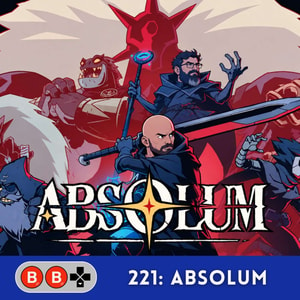
Nate and Josh take on Absolum in Episode 221 of The Backlog Breakdown, exploring a fantasy beat-'em-up that combines classic side-scrolling action with roguelite progression.
With comparisons to Streets of Rage 4, Teenage Mutant Ninja Turtles: Shredder’s Revenge, and Hades, the hosts examine what makes Absolum’s combat so satisfying. They discuss its combo systems, enemy encounters, upgrade choices, branching routes, and the progression loop that keeps each run feeling worthwhile. They also weigh in on the game’s charming art direction, soundtrack, and overall pacing.
The conversation goes beyond mechanics, too. Nate and Josh consider why the story feels less successful than the gameplay and dig into the game’s factions, characters, and moral framework. From a Christian gaming perspective, they discuss themes of order and chaos, nature, magic, power, and human responsibility—and why the narrative may require discernment from some players.
Their conclusion? Absolum offers an excellent gameplay experience with plenty of mechanical depth, but its storytelling may be a more complicated proposition depending on your perspective.
Join The Backlog Breakdown for thoughtful conversations about video games, gaming culture, and how Christians can engage the medium wisely and well.
Enjoy the episode? Follow the show, leave a rating or review, and share your thoughts on Absolum with us!