
Particularized | PWN Call #6
Transcript
Hello. Hey guys, thanks for tuning in to the oh that. The worst.
Speaker B:You're—
Speaker A:stop, stop.
Speaker B:And all of our audio listeners have no clue what just happened.
Speaker A:Josh is being lame.
Speaker B:And what else is new? I mean, come on.
Speaker A:Yeah, you know, one of these days, hopefully you'll surprise me, um, and not be—
Speaker C:The show would be terrible.
Speaker B:Stop being like—
Speaker C:y'all gonna lose your, like, the, the The tension that makes this show wonderful.
Speaker B:Yeah.
Speaker A:Yeah. But anyways, hey guys, thanks for tuning in to The Phone Call, a casual conversation podcast where members and friends of the Playwell Network get together to catch up and talk about what they've been into lately. Rabbit trails may or may not be included. Listener discretion is advised. I'm Nate, that's Josh, and that's Paul. Let's get after it.
Speaker C:Let's go. I don't know.
Speaker A:I threw that in there.
Speaker B:The rabbit? No, that just went down the trail.
Speaker C:Shut up.
Speaker B:So lame.
Speaker A:But guys, to sort of kick this thing off, I'd like to know how it's been since we last spoke. So, Paul, since you are our honorary Officially unofficial, whatever. You're you're like you're easily the most consistent participant. What's been good lately, man?
Speaker C:Yeah, okay. I I was gonna I was gonna mention this. Like things been things been pretty good lately. We we we had a round of sickness this this week, but we're out of it. And and you know now we're now we're in now we're in the golden zone where we we've had it's. done. So we have a few weeks of immunity. We don't have to worry about it. But I— so, all right, I think last time I mentioned that I've been editing one of my novels. Now I'm editing 3 books to come out very soon, 2 books of poetry. And that intro reminded me, because like—
Speaker B:Okay.
Speaker C:So none of my poems have ever been published, but I've been writing poetry for now decades. And so I've been— I got all the good ones and I'm gonna split them in into 2 books. One of them is just, just general poetry, and the other one's gonna be sonnet— sonnets and dramatic monologues, uh, uh, which, you know, to kind of take the point of view of somebody and, um, talk about something. Um, so, uh, but the one in Poetry is like, there's so many that I wrote like in the, in the late '90s and early 2000s. I think, I think I counted 3 times in these where, uh, there's something in there about going home to wait by the phone or checking the dial tone to see if the phone is working. And I was like, man, I gotta change that now because nobody's gonna know what the hell I'm talking about. Just Just hearing the dial tone in the intro and actual manual buttons reminded me of that.
Speaker A:But it is definitely— that sound is definitely of an age. I did get the weird— now the most that you get is like that, like you get the weird automated AI voice where it's like, that number is not available. Like it rings and then it's like, or that number is not— this number is not taking calls right now. It's like, what?
Speaker C:Okay.
Speaker B:This mailbox is full.
Speaker A:Yeah, that one too.
Speaker C:Yeah. And what's sad is like, I tried so hard not to make particular, you know, time-specific references in my writing.
Speaker B:Okay.
Speaker C:You know, because, you know, I've, I've read too many books where like In particular, one book where most of the plot centers around the guy having a certain amount of credit in, in to call into an online bulletin board because it was written before the internet, you know, before the World Wide Web was a thing.
Speaker A:Mm-hmm.
Speaker C:And this is what we did back then to, you know, is we dialed our modem to a particular computer and we had to buy time on it and It was like, yeah, nobody, nobody gets that. Like, it's always like I'm trying to avoid that, but surely phone, like the house phone, will be universally understood. And how I have to go home because maybe, maybe a girl will call, but they never do.
Speaker A:Hmm.
Speaker C:So, um, but yeah, otherwise things are, things are really good. I was, I was going to respond in the, uh, in, in the chat about this, but, um, Uh, this, uh, we, we started our, um, our neighborhood groups at church today, and we did not— we were not part of one last year, but they, they made one specifically for the out-of-towners, uh, because, uh, we're an hour away from church. And so, you know, meeting during the week or coming back Sunday night, it's just, it's not gonna happen. You know, but they made one an hour after church ends and, and with lunch there. It was, it was kind of great because, um, we eat lunch at the same time, you know, instead of driving home an hour, we drive 5 minutes and an hour later. Um, but, uh, it— and, uh, we, we discussed the sermons in these groups and it was particularly great one today, uh, because we're going through Hebrews and, um, uh, chapter 9, baby. Uh, uh, when they're talking about, uh, like the, uh, the tabernacle and the Ark of the Covenant and, and how Jesus fulfills all this stuff. And he was, he was in particular talking about the Ark and the stuff in it. Um, which, like, I, I find this stuff fascinating, but he, like, I hadn't made this connection. I thought it was really great. Um, the, the stuff they put in there was, was they had They had the manna, they had Aaron's budding staff, and they had the 10 Commandments. And all of them are actually from a moment where Israel's faith failed. You know, the manna that they complained about, or the tablets that, you know, the original set that Moses broke because they were going into idolatry. and, and stuff. And, and so the, the Ark itself is, uh, the way our pastor is describing it, is, is a, is a coffin. It is the, uh, it is our sin there. And the mercy seat's on top where, um, the, uh, the blood is poured. And for us, it's the blood of Christ that that covers that. Um, it's a really great sermon, so I was particularly excited about that today.
Speaker B:That's awesome.
Speaker A:That is cool. Like, yeah, that's— and I'm looking— yeah, it is Hebrews 9, Paul, just so—
Speaker C:Yes, I remembered from the sermon. I listen— if you're listening, Pastor, I listened to the sermon.
Speaker B:Yeah.
Speaker A:Um, yeah, yeah, how the, the And over it, the cherubims of glory shadowing the mercy seat.
Speaker C:Yeah.
Speaker A:Yeah. Yeah. That's pretty cool.
Speaker C:And the one thing is, like, if, if people listening don't know, the, the Greek word in the Septuagint for that mercy seat is— we very often translate that to propitiation. And so, like Paul talks about in Romans, that Christ is a propitiation. He's literally saying Christ is the mercy seat over the Uh, you know, on the Ark of the Covenant that, uh, that, that they would pour the blood on. And, uh, that, that's the direct reference that he's making for you, you know, for— I mean, the, the people then who would be like, I know that word, that's, you know, that, that's a, uh, that's the Ark. That's cool.
Speaker A:It's a good word. That is cool, man. I, I like that. Like, yeah, even it's like you were saying, like, looking at it, it's like the golden censer, the Ark of the Covenant. We laid around with, wherein was the golden pot that had manna? People complaining about not being fed, you know, in the wilderness, you know, and just Aaron's rod that was budded, the tables of the covenant. Yeah. Sick. Like it.
Speaker B:Yeah.
Speaker C:Neat stuff.
Speaker B:Yeah.
Speaker A:Yeah. It's very cool. Well, and it just like, it's one of those things like too, like a lot of times, like it just goes to show that like We take so much, I think, for granted when it comes to scripture and how like it speaks. And there's like volumes that like sometimes we just skim right over and it's just like, yeah. And people are like, no, there's like, there's layers upon layers upon layers here. Like it's, it's like an onion or a parfait, but like way better.
Speaker C:Something particularly—
Speaker A:not an onion parfait though.
Speaker B:You know what an onion looks like on the inside? The same that it looks like on the outside. Like every layer looks the same. So it's actually a really bad analogy. I'm just saying Shrek is an idiot. That's all.
Speaker C:So one of the particularities of my dispensational upbringing is, you know, we did not look at the Old Testament. Like, you know, at Christmas time, we'd read a prophecy or two from the Old Testament and then move on with our lives, you know, because that's not for us. But, uh, usually something from Isaiah talking about, you know, yeah, exactly, the suffering servant, right? Uh, but, um, you know, uh, getting, getting into Reformed theology and really digging into, uh, digging, digging more into the Old Testament and, and, you know, seeing these references brought up in the New, There's, uh, in particular, like, like the book of Hebrews, man, Hebrews is mind-blowing, the whole book. And so, uh, he's been preaching through Hebrews for a while, and, uh, it's so cool. Like, there's so much there.
Speaker B:That's, that's awesome. We're actually planning on going through Hebrews starting in the new year, so, uh, nice. That's exciting.
Speaker C:Yeah.
Speaker B:Um, yeah, yeah, but sorry, I'll just, I'll just share it here, at least the conversations. I don't know that it's fully confirmed. Well, no, no, I think, I think he did announce it at the last congregational meeting. So we're going through pastoral epistles right now. Uh, we're in 2 Timothy, we'll go through Titus. Um, and then after that, my pastor wants to tackle Jude before Advent season. Um, so that'll be, that'll be fun because there's some stuff in Jude that's, uh—
Speaker C:Jude gets crazy. A very short amount of time. It's like, okay, look, I got to get to the point. There's some crazy stuff happening.
Speaker B:Yeah. Angels chained in gloomy darkness, just like Enoch saw. Yeah. Yeah, it's—
Speaker C:yeah.
Speaker B:So we'll spend a few weeks there.
Speaker A:Jude is like for 2 pages and it's like absolute fever dream. It's—
Speaker B:yeah, yeah.
Speaker A:So good.
Speaker B:Yeah, pretty cool. But yeah, then Hebrews. So you said he's been in it a while. What is— what is a while? Like years a while or—
Speaker C:So I— he may have started it before we, before we started. He's been, he's been in and out. So like, we, uh, last week we just— we're, we're, uh, we're in our last week of officer nominations. And, uh, and this is particularly exciting. We are a fairly new church. Um, uh, we, we just got particularized. That's the second time I've used that word. I don't think I've pronounced it right either time. But it's not a great word. Right, uh, just a few years ago. And so for people outside the PCA, uh, PCA, what we do is we kind of start a mission church and then we— and then, um, uh, and then do a church plant. But we're— you're still under the elders of the planting church for a while.
Speaker A:Okay.
Speaker C:Until, yeah, until you establish yourself and, and have the resources to actually get your own. elder session. And, uh, that, uh, we hit that only a few—
Speaker B:only—
Speaker C:I'm gonna mess up, but just a couple of years ago. We've been around for several years, but, uh, we, we, we're independent now as of just a few years ago. And so we've, um, uh, we're not allowed to exist without a session, uh, but you can without deacons. Um, and we have not had deacons. And, um, in my opinion, we need them. And so, uh, I, uh, so So we've, we've done a series on elder qualifications that was really good. And, um, while we're getting those nominations in and, uh, and then, um, uh, you know, like during Advent, he did a different thing. So it's been off and on, but it's been, yeah, he's been, he's been in there a while.
Speaker B:Yeah. Cool. Cool.
Speaker C:That's awesome.
Speaker A:Yeah, I agree that most churches need deacons.
Speaker C:Yes.
Speaker A:I may be a little—
Speaker C:we— I mean, we grew very quickly. Yeah, we grew very quickly. And we're also a college town. And so most of our— we're a very big college town. We're in College Station. This is Texas A&M. And it's so— it's hilarious. We, you know, we will be sitting at like 60 people there during the summer. And then the second school starts, we're having to add extra rows to the chairs and stuff.
Speaker B:Yeah, yeah.
Speaker C:But, um, we're— yeah, during the school year we have a lot of people there. And so, um, the elders have been working way too hard, way too hard to get this thing going. And it's like, y'all need relief. Y'all, we need to get some deacons going.
Speaker B:Cool.
Speaker A:Yeah, cool. Get after it. But yeah. So Joshua, you can't compete, but I'd like to know what you've been into.
Speaker B:No, I can't. Like, this is the, I mean, I could, I could talk about our church service this morning. Um, but I won't do that. It just feels like such a hard pivot because I feel like, you know, it's been segments where we just talk about what we've been into. It's kind of a free-for-all. It's usually kind of just a softball question. So I have a very softball answer here. But I, I just feel bad coming off the awesome stuff that you've been sharing, Paul, because as you can see, um, in our document, I, I didn't really have much of anything. Uh, you know, it's, it's, it's— we're doing good. We're doing good. Um, but we were invited out to dinner at Burger King. Actually, lead pastor and his family said that they were going and His daughter was all excited because she wanted our family to come too. Um, and so there was a little bit of back and forth. The reason that they wanted to go to Burger King and why we went to Burger King tonight is because right now they have Dragon Ball Z toys.
Speaker C:Yeah, nice.
Speaker B:And so, so we got ourselves a, uh, Super Saiyan Blue Goku. Uh, we got a Vegeta. We didn't get the Super Saiyan Blue version of him. Uh, got a Piccolo. So he's there. And then I, I don't know this character, but it's Beerus. So it's just because I, I haven't followed Super. So I don't know anything that's going on there. Um, but yeah, so I, these are cool little figurines, but we have a few.
Speaker C:How many, how many kids meals did you order yourself, Josh?
Speaker B:Do you, do you, for myself or how many did I order? No, I did actually order myself a kid's meal. Yes. Oh, I would have too. This is not criticism.
Speaker C:I would, I'm not even into Dragon Ball Z. I would have gotten it.
Speaker B:However, I will say it's like, uh, especially after the Naruto toys, like I think Burger King can sense when their toys are going to be pretty popular because for this in particular, their Dragon Ball Super stuff, um, they not only have a kid's meal that includes a toy, they also have like a Super Saiyan meal. That's $10 and it's like 10 nuggets and a drink and fries. Like basically an adult version of a kid's meal that comes with a toy. So I thought that was pretty funny. I just went because I'm a cheapskate. I just went for the kid's meal and then added some offer stuff that was in the app. But yeah, it was fun. And then, and then my kids, you know, would go back and be like, hey, can we trade this character out for a different one? You know, so, and they were nice about it. They didn't have all the— there are only 6 characters. So technically we got all the characters. It's just that there is a regular Goku and a Super Saiyan Goku. We only got the Super Saiyan. There's a regular and Super Saiyan Vegeta. We only got the regular Vegeta.
Speaker A:Are they both— are they Super Saiyan Blue though?
Speaker B:Yes. Yeah. Yeah.
Speaker C:Both of them are blue.
Speaker B:Yep. Yeah. A little different poses.
Speaker C:I'm going to nod like I have any idea what that means.
Speaker B:You know, yeah, there's, there's definitely that, that part to it, but, uh, I think, I, I, I think my pastor and his family had been, uh, planning to do it for a little bit because, uh, he has a, a Dragon Ball Z, like a button-up shirt that you can't really tell that it's Dragon Ball Z. It's sort of like, this is inside baseball here, but, um, we've seen some— Wes, our buddy Wes, the henchman dad himself. has some Ultraman shirts, and I can't think of the place, the website, but they're button-up shirts.
Speaker A:Is it results?
Speaker B:Yes. Yeah, yeah, yeah. That's who it is.
Speaker C:I was going to guess giantweeb.com. Giantweeb.com.
Speaker B:Oh, man. Yeah. Results to where they actually, like, you can't tell that it is referencing a certain pop culture thing. unless you actually know that pop culture thing. So it's not like—
Speaker A:Yeah.
Speaker B:Yeah, it's not huge and in your face. Like, it is just a green shirt that has some scales on it. Like, if you're looking, they're kind of darkened scale-looking things, but then it has Dragon Balls all over it. But again, it just looks like a pattern if you don't understand the reference. And he wore that to church this morning. So I don't know if that was just a happy coincidence Or if they were planning on going to Burger King and he was like, okay, then I'll wear my Dragon Ball shirt. Preach for Dragon Ball.
Speaker A:Just to give you an example, like they do a lot of stuff like with the pop culture. Like they have a, right now I'm just looking at their website. They have a Teenage Mutant Ninja Turtles one, but like they do like, oh, nice. Like nice, like button-ups and like polo style shirts that have like, it's Like the one button-up I'm looking at right now has like the turtles' faces on it and like the different weapons, but it's like from a distance it just looks like a green shirt with a bunch of different— yeah. So it's like, yeah, it's like one of those things where these just look like, like for if you're in the know, like, yes, there's some like, like deep nerd lore in this clothing, but also it's like you can wear it in a semi— Like you can wear it in public without like, you know, being the dude who's wearing like the silk screen, you know?
Speaker C:Right. I feel bad. I was making fun of it, but I'm gonna totally jump on and look at the TMNT stuff now.
Speaker A:Dude, I know it is pricey.
Speaker B:Yes. Yeah, yeah, it is. Um, not cheap. Uh, it is, it is like the opposite of, of like putting— yeah, we weeb girls on your, on your car, you know, like when you drive down the road and you're just like, oh my goodness, I do not want to socialize with the person who is driving that vehicle. You know what I mean? It's like the opposite of that. It is very style-forward. I don't know, subtle is the word that I'm looking for. Anyways, I did drop a link if you guys want to see the shirt that I'm talking about that he was wearing.
Speaker A:Here's, here's, here's the turtle.
Speaker B:Okay. There we go. There's another one.
Speaker C:Anyways, I'm pulling up the turtle one right now.
Speaker B:Nice. Nice. But that is how it has been with me. We have been good. We had some Burger King and there is— and now I'm drinking Diet Coke that may or may not have some spirits in it. Hmm.
Speaker A:Good for you. Maybe.
Speaker B:How have you been, Nate?
Speaker C:This is so cool.
Speaker A:Yeah, there you go. Um, pretty good. Uh, just like we had a storm come through. Uh, what night? When was that? That was like Thursday night, I think. Uh, like it was like one of those things kind of rolled through. Like the phone did like the national weather alert, like klaxon thing. It was like, um, got hit with 80-mile-an-hour winds. Like there was a tornado watch where like we were sitting in our hallway kind of getting ready to like just like beat it, beat feet down the stairs. Like if we, if we heard something kind of thing. Yeah, it was pretty wild. Like no damage to the house, no damage to my property or anything like that. Did hear some trees being knocked down in the woods behind us. And it was like, that was like Lots of, um, and but knocked a whole, like, I mean, it took most of like our town out. Like there were like a couple people in church actually who still hadn't had power restored. Um, so.
Speaker B:Oh, wow.
Speaker A:Like, yeah, it's been down. We were down for a little less than 24 hours. Um, a couple other people we were talking to, like there were some people who like had power within like 3 hours. 4 hours. And then like we were down for like a day. Um, I was talking to, uh, a lady from church and she, she said they were down for almost 2 days. And like I said, there were a couple— I know there's like a couple neighborhoods that are still down, like, so—
Speaker C:Wow.
Speaker A:Or were last time I checked. Um, so it was really crazy, like 80-mile-an-hour winds, tornado warnings, lots of trees down. It was pretty cool. Um, on a, on a cool note, we did, uh, a friend had like a little bit of a Labor Day cookout sort of thing and we went.
Speaker C:Nice.
Speaker A:What's really wild is, uh, I used to, when I first came out to Johnstown, I lived like one of the places, not the first place I lived, but I ended up moving into this. It was an old Catholic parsonage like that was connected to a church and this family had bought it and Their boys lived there, like their son, and, and we would just rent rooms and it was like, you know, pretty cheap rent, you know, utilities included. But it was, it was called the Crucified House because it was attached to this like skate park ministry thing. And so like we all kind of like helped out and volunteered there. But it was, it was really wild because it was me, my buddy Hoss, and then Josh and Trav. were all there. And that was the first time in 15 years that all 4 of us had been in the same— you see people and Hoss and I hang out fairly regularly. I don't know why that word was so hard to say right there. It's like particularization.
Speaker C:Yes.
Speaker A:Not an easy word to say, but we hang out Pretty frequently, but like I don't see Trav or Joss that often, and it was like all four of us were there at the same time, and it was like there was like it was like this like once in a fifteen year kind of like thing. You know, since the house, so yeah. Anyways, like and Hassan, but anyways, yeah. So it was it was cool. Good food, hanging out. You know. Yeah, just cook out after a storm. So yeah, but we, uh, we all like nerdy stuff, and I think we perhaps have some experiences to share. All right, so Paul, why don't you kick us off again here? And I think like we were talking about a little bit, you have a couple of things here that Josh and I kind of want to dig into. So yeah, get after it, man.
Speaker C:Yeah, so I'm going to start with the one that y'all don't want to talk about, but okay.
Speaker B:Great place to start.
Speaker A:Yeah.
Speaker C:Um, the, uh, the— and I, I had, I had asked Josh about this ages ago because, uh, I had, I had very much enjoyed the Rurouni Kenshin anime. I, I think I've talked about anime every time I've been here and it's embarrassing.
Speaker A:Dude, for somebody who is so vehemently opposed to anime, you talk about it more than anybody else, like 100% more than anybody else on this podcast. Every single episode, right?
Speaker C:But I was interested in the live-action movies because they looked good from the previews. And I finally did see the first one, which was that Origin?
Speaker A:I can't remember.
Speaker B:Was it? I thought Origin was like the fourth, but I could be very wrong on that. It's been a while since I've seen those.
Speaker C:Yeah, anyways, the first in the series. And, um, you know, I, I had to take a look at the budget just because, man, that movie looked fantastic. Like, the— it was the, the set, the sets, the costumes, the, um, the actual film looked just great.
Speaker B:Mm-hmm.
Speaker C:And, um, and it, it was a very low budget. It was like $10 million, but, um, You can stretch a budget a long way if you don't use CGI that much.
Speaker B:Yeah.
Speaker C:Or probably not at all in that movie.
Speaker A:Japan's economy though, too, man, it's one of those things where it's a— well, now it's not doing great, but they can make things on the cheap and then turn around and sell them to the American marketplace and just make out absolute Yes.
Speaker C:Yes.
Speaker B:That's true. So, so Origins is, so the original Rurouni Kenshin was just called Rurouni Kenshin in Japan. It was released internationally as Rurouni Kenshin Origins. The last out of the 5 movies is called Rurouni Kenshin: The Beginning.
Speaker C:That's right. Yeah. 'Cause that's the pre— that's a prequel, right? That's—
Speaker B:yes.
Speaker C:Yeah. Okay.
Speaker A:Yeah.
Speaker B:Which is canonical. I mean, in the comics, that's how it was too. Right.
Speaker C:Yeah.
Speaker A:Yeah. I have, I have a very brief question. If one were to get into Rurouni Kenshin, would you recommend watching the anime? And say, just pick a lane, either or.
Speaker C:Never. I would never recommend that you watch an anime.
Speaker A:But how about the live-action films? It's like, watch the anime or the live-action films.
Speaker C:Oh, man. I thought, and it's been forever since I watched the anime. It's been like 15, 15 years. Um, and so there's a lot I had forgotten. Um, I, I thought this movie, you know, uh, kind of compressed things extremely well and, um, you know, got the— got a sense of all the characters very, very nicely. Um, okay. You know, there, there is a charm to the anime that, you know, with, with things a little bit more spread out and you get more downtime with Kenshin and and see what he's like more when they're not trying to get him to kill people. Um, because that seems to be everybody in Japan is like, oh, the, the Manslayer doesn't want to kill anybody anymore. Well, what about this guy? Yeah. Um, it did trip me up because in, in the, in the movie, um, oh, I forgot what they called him, but it wasn't the Manslayer. Uh, it was— they translated it differently, uh, in, in the version I was watching.
Speaker B:Gotcha.
Speaker C:It tripped me up because I was so used to what he's saying. But I look, I thoroughly enjoyed both of them. I think, Josh, you I think you went through one of them probably more recently than me. Was it the? It was the it was the actual manga comic, right?
Speaker B:Yes.
Speaker C:Yeah, yeah.
Speaker B:I actually haven't watched all of the anime. I've just seen episodes here and there.
Speaker C:Oh, okay.
Speaker B:Yeah. Yeah. So, yeah, I would say manga, but that's also where I started. Um, the movies are great. They do— it's interesting you said, Paul, that, uh, you felt like everyone got their, uh, their, uh, sorry, I'm thinking of a Nacho Libre reference, their glory day in the hot sun, uh, that everyone had, uh, the characterization was good. Um, you lose a lot with side characters with the movies.
Speaker A:Yeah.
Speaker B:that the manga goes into.
Speaker C:Yeah. And the one, the one exception on that, and what specifically why I meant to mention downtime, is like Kenshin himself almost never smiles in the movie, where, where you really get a sense in the, in the anime of, of what he's like when danger is not afoot. And, and there's this whole balance with him about when he gets into fight mode and what he's like outside of that. And, um, uh, that I, I thought was really interesting in the, in the anime that they really did not do in the movie, uh, at least in this first one.
Speaker B:Mm-hmm.
Speaker C:Um, but, uh, like, I, yeah, I, uh, I, I, I thought the, I thought the, the movie was, was really good. I'm ready I'm ready to move on, uh, to jump in on the other ones. Um, I was, I was very impressed with it.
Speaker B:Yeah, yeah, dude. I'm, I'm looking now, just looking around to see where I can watch these again. Uh, apparently Netflix has, if not all of them, most of them.
Speaker C:Uh, yeah, yeah, they have all of them.
Speaker B:I'm just looking at it. It pulled up the third one, and that one has Shishio in it. And it's just playing scenes. And you're right, dude.
Speaker C:It just looks really good.
Speaker B:Like it's just shot so well. So, man.
Speaker C:Yeah. The first part of the anime, it was like, okay, this is good. I'm enjoying this. The whole Shishio arc though, I was like, every day it was like, let's watch another one. This is so good.
Speaker B:Mm-hmm. Mm-hmm. Yeah. Yeah. And it's one of those stories that ends, you know, that it would, it did. was not meant to go on forever. And it's gotten multiple re-releases. So even, Nate, when you ask about the anime, there is a newer one that, that came out, I want to say a few years ago. So a newer version. I'm sure it looks a lot better.
Speaker A:I'm looking at it now. Okay.
Speaker B:Um, okay. So that, that might be a good place to start. I don't know. I, I did watch, we had a DVD of one of the OVAs, um, which is crazy. Because it was very, very bloody. It actually opens with Kenshin as a kid, and I don't know if you know his origin story, but he was a— yeah, a refugee. He was, he was part of a refugee family while the Warring States period was going on, and his parents were killed in front of his face. He was, he was the only person that was left when, when like these raiders came. And, you know, killed these, these refugees. And, uh, he was left and he like buries as many of the bodies that he could until this older man comes and takes him under his wing. And, uh, that was like how this OVA started out. And oh my goodness, it's very bloody and, uh, it's intense. Intense.
Speaker C:Yeah.
Speaker B:Yeah.
Speaker C:Anyways, I was, I was halfway through the movie and I was like, man, the only thing I don't like about this movie really is you don't get a sense of Kenshin's speed, just his sheer speed. And then we get to the final fights and I'm like, nope, never mind, they got it.
Speaker B:Nice.
Speaker C:Those final fights, uh, um, the final 2 sword fights are— oh, are really great.
Speaker B:Dang. Now I— yeah, man, I want to watch these again because now I'm remembering even more of the story because that comes into play too because he's getting older. Like, it literally takes a toll on his body, uh, in order to use the stuff that, uh, the stuff that he had learned because he's getting older and, uh, he ends up like messing himself up using techniques. Yeah.
Speaker A:Also, according to the, uh, like a 2-minute Google search, the new is a more faithful adaptation. The new series, the remake, is a more faithful adaptation of the anime. So yeah, that's available on Crunchyroll.
Speaker B:Oh, is it? Okay.
Speaker C:Oh man, I'm not gonna, I'm not gonna subscribe to that.
Speaker B:Paul's like, who would do that?
Speaker A:Hard out. Come on.
Speaker C:I think they got, I think they have season 2 of Free Rent. I'm still not doing it.
Speaker B:Okay.
Speaker C:I'm reading the, I'm, uh, I'm reading those now, uh, but okay, I only have, I've only seen season 1 of it, uh, because I think Netflix has that.
Speaker B:Gotcha. Okay.
Speaker C:And I'm like, they'll get it eventually. I'm not going to the dark side. I'm not.
Speaker B:Nice.
Speaker A:Yeah.
Speaker C:Nice.
Speaker A:Yeah. Sweet. But what else you got for us, Paul?
Speaker C:Yeah. So one of the things I— all right, so I love Arthurian legend. Especially in my 20s, I read a ton of Arthur stuff, uh, just adore it. And, um, I, I really, really, really like the Steven Lawhead Pendragon Cycle. Um, and so, uh, Daily Wire had gotten the rights to that and they made this big production. I'm like, man, I'd really like to see that. I don't want to support the Daily Wire.
Speaker B:Um, okay.
Speaker C:And so I've, I've, I had been avoiding it, but it just went to Prime and, um, I will say this as somebody who's not a fan of Jeremy Boring. In fact, I am an anti-fan of Jeremy Boring. He annoys the snot out of me, and I dislike him. But we watched the first episode of that, and the series goes back— the first book in the series is actually Taliesin, who is the father of Merlin. And so it actually goes way earlier than Arthur and, um, and goes through, uh, ultimately like 3, like 3 generations of the story. And, um, uh, so we, we plugged in, uh, the first, uh, the first episode. I gotta say, I, I was really impressed with that one too. Um, they, they took the, the source material very seriously. Um, And just did a good job translating these characters and these events onto the screen. And there's a lot of stuff in the tallies and stuff because Merlin's mom is actually an Atlantean who helped save her people from Atlantis as it was sinking. and ended up— they ended up in England because in this world Atlantis is right by England. They ended up as kind of foreigners in England where she— where they met up with Taliesin, who's like this druid bard who— if you haven't read the book, Steven Lawhead is Christian. His novels are normally explicitly Christian. And Taliesin eventually converts. and just becomes this super important, you know, kind of half-Christian druid bard thing. And his whole story is really, really cool. And so that first episode, it gets us part of the way through Taliesin's story. And I don't even know if this if, if this season gets to Arthur at all, but it's laying the foundations of the problems. And, um, it deals, uh, it touches on a lot of, a lot of the non-modern elements of the Arthurian legend, like the idea of the Fisher King, that, you know, the, the, the, the, uh, the land is tied to the land's leader. And, um, And, you know, you have a bad— you have a bad leader and the land itself suffers, that sort of thing and stuff I really like. So, yeah, I was very happy that that hit Prime so I can finally watch it without supporting— I mean, they're making money off of it, but without getting a subscription to Daily Wire.
Speaker A:Without directly supporting them.
Speaker B:Right, right.
Speaker C:Yeah. And it's like, now I want Jeremy Boreing. It's like, okay, quit your new show, please go back and do season 2 because I'm on board now. So good stuff.
Speaker A:But then you run the risk of maybe liking him a little bit.
Speaker C:I don't think that's possible.
Speaker A:Oh, I'm just throwing it out there, right?
Speaker C:I always joke that, like, uh, I'm— I, I, I really, really like Richard Wagner's operas, like, a lot. And, um, you know, so I, I'm, I'm well skilled in separating the, the, the person from the art.
Speaker A:The art from the artist.
Speaker C:Yeah, Wagner's not the type of guy that, you know, you want to Uh, you know, you, uh, you want to idolize at all. And so, um, but yeah, good stuff. Um, uh, the, the last thing we started, Amy and I, we were going to play, uh, play this together. Uh, we started The Blue Prince. Um, and, uh, I, I saw this, a buddy, uh, internet buddy of mine had streamed, streamed it a couple of times and I thought it was just fascinating. And so I was like, oh, this will be a nice little puzzle game. that Amy likes and we can play together. And, you know, spend a few hours in here. And we got that going. I had no idea. Like, I was not prepared. It's this— I didn't understand the depth and size of this game.
Speaker B:Okay.
Speaker C:I, we, I, I had to look it up on how long to beat because I was like, this is, this is like a 20-hour game, right? It's like, no, completionists are at 100 hours. And by the way, not all the secrets have been discovered in the game by players. And it's like, oh my goodness. Um, the, the main puzzle that you're supposed to be able to, to find in a much, much shorter period of time, but it's, um, It's absolutely gorgeous. Like, it's the graphics are very stylized. For anybody who hasn't seen it, you inherit this house and you spend the— you can— the condition on keeping the house is that you have to find the secret room in the house. But every time you go into the house, when you go through a door, you're not sure what you're gonna find there. And you could pick between 3 blueprints of that room. And, um, and so the, uh, the, the house is— the house is different every time you go through it, and you have to figure out how to build this thing to get you to the secret room. And, um, uh, the— yeah, it's absolutely gorgeous. It, it It's very stylized, like everything looks like it's hand-drawn. Like, I mean, it doesn't look like blueprints, but going with the theme of blueprints. And there's— we spent 2 hours in it and there's just a lot of stuff that we're like, okay, I know that's important. I don't know why. Let's write it down. Hopefully we'll figure it out later. And, um, it's, it's fascinating. Like, it's, uh, like we were just glued to it. Like, what is going on here? This is really interesting.
Speaker A:Because, yeah, and this is the one that I wanted to pick your brains about a little bit. And like, even like, I, I've listened to a lot of coverage of it, and like, it's kind of like I'm very drawn to this game in the sense that like it seems fascinating. I also know that I don't, as a general rule, like puzzle games. Like, I kind of like, I'm like, but it's like, it is a roguelike puzzle. Like, it's a randomly generated puzzle game. Like, every time you, like, there are runs that you do and you see how far you can get before, like, you can, you get, unlock the secret room.
Speaker B:Yeah.
Speaker C:Um, yeah. And every day the, the, the house resets. So you, you get started, you have a timetable and then And then you're done for the day.
Speaker A:Yeah.
Speaker C:It's a, yeah, there's a lot going on with it. It reminds me of kind of like of an update of kind of those old adventure games like Myst. Not nearly exactly in the same way. Like, you know, it is a modern game. It is the— there's a lot more to it than there was with, uh, with Myst. But it's that sort of thing where you're, you're going through and there's a lot of environmental storytelling of like, you're in this room and you're— it's like, okay, this is what this was for. What does it mean? And let's go explore more and we'll hopefully get some clues that will tune us into what this room is supposed to be communicating. Yeah.
Speaker A:And I was just kind of like, I was also really curious because like you're the second person that I've heard talk about this game and sort of like treating it almost like a co-op game, like you're playing it with your wife and like you guys are kind of playing it together. Like, what do you— has that experience been like pretty positive?
Speaker C:Like, yeah, I mean, yeah.
Speaker A:So, uh, uh, because full disclosure, like it's on my list of things to maybe play with Megan at some point in time, and I just wanted to know, like, how you, you feel like that's working.
Speaker C:Um, we really enjoyed it. And so this is the type of game we like to play together, uh, you know, uh, stuff that we can, that we can just, like, talk about, like, this, like, what, what are we seeing here, for a bit, um, and, uh, puzzle things out. Um, we're 2 hours in. And, um, it's— since the game is longer than I thought it was going to be, it's going to be a long time before we finish, just because getting 2 hours together without the kids is, is, uh, not often for us.
Speaker B:Sure.
Speaker C:But yeah, um, I— it, it's, uh, and it is, it is like we, we only did one day, um, uh, in that 2 hours. Uh, not all days are as long as day 1, because you're really like get really getting a feel for the place on, in, on day 1. But my, like my friend was saying, like, yeah, just for the first like 12 days, just kind of wander around and look at stuff. And I'm like, 12 days? Like how, like how far into it are you? And he's like, oh, I'm in the high 50s and I'm almost done with the main puzzle. Oh, holy smokes.
Speaker B:Yeah.
Speaker C:But the days go faster as you have purpose in your day instead of just wandering around taking notes of stuff. If you start going like, okay, this day we're solving this puzzle and this puzzle, and you'll go quick.
Speaker A:And you'll have ingrained knowledge. One of the things I heard is one of the guys, when he was talking about it, he said there does come a point where it's like you start seeing the same rooms over and over again. like what took you maybe like 30 minutes or 10 minutes the first time, you— he's like, you know how to— like, he— maybe they mix it up a little bit, but you know the general like layout. And so you're like, you can just sort of like bang out like the little challenge of the room in like 30 seconds.
Speaker C:Yeah, yeah, exactly. Once you've solved the puzzle, it seems like, okay, you've solved the puzzle. And so the next time you're in there, it's like, okay, well, I'll just pull this thing, you know? And And so, uh, yeah, I, um, I'm looking forward to— I'm looking forward to digging more into it because it, it has my attention fully.
Speaker B:Cool.
Speaker A:It's like I said, it's a game that, like, left to my own devices, I would probably never touch. But it does— like, I, I am curious about it, and it might be the kind of game where, like, Megan will sit down and, like, that might be something we can play together at some point. So who knows?
Speaker C:But Nice.
Speaker A:Yeah, Paul, thank you. But now I guess we got to talk to the— thank you to Josh. What do you have for us?
Speaker B:I guess I get— well, before we get to me, actually, I was— our friend Wes, once again, bring him up. He shared something with me that he wanted on the phone call, and that is that today, as of recording, Uh, this is the 30th anniversary of Ultraman Tiga, the debut of Ultraman Tiga. So that is the first Heisei era.
Speaker C:I forgot to have a little celebration for that.
Speaker A:I know.
Speaker B:Yeah, you forgot the swatch, uh, all over the place. Uh, but, uh, no, Tiga is, is famous and infamous. He's one of the best known Ultramen. He came to America and there was a dub for it that 4Kids did. And so this was like a—that's the one.
Speaker A:Yeah, yeah.
Speaker B:So like not a full-on Power Rangers version of it, but definitely a you know safe for the for the children version. Not you know not that Ultraman has has stuff in it. Anyways, so Tiga is very well known and and very well beloved amongst all of the the Ultramen, but particularly even internationally. So so today's the 30th anniversary. So and this is Tiga.
Speaker A:Not to be confused with.
Speaker B:Right. Not Taiga. No, Taiga is a different one. Yeah. Yeah. That one I don't believe is very well loved. I think that's kind of on the lower end. And that one's a newer one. Came out maybe 10 years ago, something like that, if that. Yeah. Anyways, yeah. Tiga from the '90s.
Speaker A:Cool.
Speaker B:Okay. So, no, some of the stuff that, that I wanted to share. First up is something that I did do a little bit of discussing in our Discord beforehand. Um, but this is a—
Speaker C:I kind of went off on things.
Speaker B:Yes. Yes. Led to some conversations, led to a new channel popping up.
Speaker A:I was telling Josh that reading some of your comments, I laughed out loud.
Speaker B:Um, oh, right.
Speaker A:Reading some of that thread, I was just like, okay. Okay.
Speaker B:Some of, some of the unshareable, uh, you know, portions of those conversations, um, were pretty funny, but, um, Especially when you're calling out frontmen from, from bands. But bands, what are you talking about? Well, I am talking about a series, actually a YouTube series about— it's called The Untold History of CCM, being contemporary Christian music. It's by a guy. His name is Jonathan Allen Wright. He's— I've watched a number of his videos before. We don't have the same taste in music. But he has some interesting things to say, even when I disagree with him. But this series in particular has been, I think, overall very good. Now, we've talked in the Discord about some things that, you know, he might be in terms of the history of things, might be leaving some stuff out. He might be a little biased, a little colored in some of the things that His commentary that he gives, the way that he builds things up. However, by and large, I think it's really good. And I think his main points are really— maybe they're not so much main points, maybe they're just the things that stick out in my head, but that he tends to uncover with this series. And it is ongoing. There's still a few more episodes. Now, as of the time that this episode airs, it might be finished. Because I think it's supposed to be a total of 10 episodes, but I could be wrong on that. Anyways, so while it's called The Untold History of Contemporary Christian Music, the parts that particularly interest me have to do with worship music because— and not that it's not— there is some interesting stuff when he talks about just Christian music in general, but it starts with worship music and then it goes into kind of what contemporary music was. And then it kind of turns back to worship music because in the modern area— era, excuse me— worship music is far more popular. And not just popular, popular because it is far more lucrative than, than just Christian music in general. There was a time— I mean, I grew up in the time when, when The hardcore scene had a number of Christian bands in it that, funny enough, a lot of them have apostatized. Hey, crazy how that works. Not all of them, but a lot of them. And, and so, you know, I just, I have this, you know, a certain perspective, and that's not necessarily the case. You'll see bands popping up nowadays. Anyways, that is beside the point. The point is, I want to recommend this series to you. There were things that I knew about the Christian music industry that I had heard from different places, from different, even artists and musicians who had gone into the worship space and came out of it that were in the contemporary Christian space, things that I had heard that, hey, you want to write to a very specific demographic because that's the stuff that sells. You want to give hope. You want to provide a ray of hope. in the life of a suburban mom is basically— I remember what one of the, one of the artists was told is like, this is the stuff that sells in Christian music. This is who you're writing to. This is what you want to say. Like, this is basically the theme of your songs if you want them to sell. And while I knew that, I had not put it into like, that is one piece that is the outworking of an entire Oh, careful. I'm going to sound kind of leftist here of an entire system that works together. There is— there's, I would say, problems within the system of contemporary Christian music because of its incentive structure. And he gets into all this. And so I find it very interesting, both what he uncovers, but also just the through lines of— and the questions about incentive, about why things are popular and why they make money and how the money-making drives the popularity and how popularity can be manufactured for more money, which is again very interesting, very eye-opening, and frankly makes me angry. But it's good to know. So if you are interested, a link for that is in the description or show notes or however you're you're listening to this. I'm not going to read off all the numbers and letters despite what is written in our document, but the link is there for you to peruse. And they're like, I mean, they're like 30-minute episodes. So, you know, watch them at faster speed if you want to, but they're pretty, pretty good size.
Speaker C:And when you brought it up in chat, like I watched, I finished that. I actually started on his video about the power team.
Speaker B:Yes. Mm-hmm. Yeah. Yeah.
Speaker C:Like, I had a friend who went to a Power Team show. Okay. He brought me back like a signed broken cinder block. For people who don't know, because like, look, the '80s and '90s were wild, wonderful times. Yeah. All right. The Power Team are like these, these bodybuilders. They were Christian bodybuilders. Yeah, they would, they would come and they would break bats and they would light cinder blocks on fire and break them, and then they would talk to you about Jesus. And it was kind of great.
Speaker B:Yeah.
Speaker C:Uh, it was wildly entertaining. Uh, but, uh, but I, yeah, I watched through all of that because I, I've ranted to y'all before about just like the Christian music industry and, um, I, uh, I, I did bring up some, some things that I thought he got wrong. They are extremely minor, extremely minor. Like, uh, the, like, the whole series I, I wholeheartedly recommend for people. Um, uh, again, because this is the, this is the kind of stuff that, that makes me mad as well. And, um, uh, I don't necessarily have a solution. I, I do have a solution, but nobody wants it. It's going back to hymnals. Okay, but but nobody wants to do that, and so I understand.
Speaker B:I'm not you know who owns the hymnals, Paul.
Speaker A:No, I'm just kidding. It's what what you guys don't know is Paul is a plant for big hymnal.
Speaker C:Big hymnal. Yes. Big hymnity. Don't don't forget Psalms. We're required to sing Psalms as well.
Speaker A:Yeah.
Speaker C:But, you know, I don't get a vote, and that's a good thing. I do not qualify to be an elder at my church, and so I don't get to vote on these things, and I definitely don't get to vote for your church. So I don't necessarily have a solution, but I do think this is the sort of stuff that we need to know. And And that may just be where it ends. It's like we need to be aware of what's happening, and that way we can be more introspective about what we're choosing to play and what we're choosing to lead in corporate worship.
Speaker B:Yeah.
Speaker A:Well, and I think what you guys are kind of pointing out is that none of this stuff exists in a vacuum. And that even the systems and the incentivized— the incentivization and everything behind it has actually— like, one of the things that was sort of just like, as a— is like that, um, a lot of the— these contemporary Christian music labels aren't owned by Christians anymore. Not ultimately.
Speaker C:Right.
Speaker A:And so, like, even there, it's like you know, in some ways, in some ways that doesn't matter, but in other ways it actually— like, the means often affect the ends.
Speaker C:Yeah.
Speaker A:Is how I would say it, is that like these systems have negative outworkings just because like they aren't rooted and grounded. It's like, it's kind of like when, when certain industries become profit-oriented, like problems happen, like healthcare, when it is driven by extracting money, separating money. You know, I, this is like, there are certain things, there are certain ideologies that when they become attached to processes or systems or whatever, actually create more problems. And they, like, yeah. So I'm not, I'm not trying to sound like a like a leftist. I'm just saying, like, yeah, it's— yeah.
Speaker B:Okay. And that was my joke earlier. And let me provide just a little bit of a clarification as well, is that a lot of the way that the system currently functions is for a number of reasons that I do not believe started off for nefarious ends. So, like you mentioned, how the labels are all owned Not by— all of the Christian labels are owned by parent companies whose purpose is not Christianity. So they are not Christian, you know, labels. They are companies that are in it to make money. And so that trickle-down effect is ultimately, is your artist going to make us money? If you do these things, it will make us more money because it is more palatable to the people who purchase these things. And that begins to kind of eat itself and eat away at the artistry. So I don't think that Christian music labels were a bad idea in their inception. But however, they have been sold off and their purpose has changed in that. And I want to give the benefit of the doubt for a lot of things here that I believe there are plenty of artists and musicians that started off in the industry because they wanted to make art that specifically was talking about Jesus or wanting to worship him. However, I think because of the incentive structure and perhaps there's a number of bands that went down a certain road to make more money in certain industries as opposed to actually creating art. So, so I think I don't want to say that, oh, the entire system is against everything. Well, it is now because of the incentive for profit that has seeped into everything. So even something like CCLI, where you report what your church sings on Sunday, I think it came from a good place of like, yeah, we want to pay the people who wrote these songs to use their songs and not get sued for using their songs to worship Jesus. Because this song Was written to worship Jesus. We want to worship Jesus together at our church too. So yeah, we'll throw them some money and everyone, everything's all good. However, when that company then gets sold off to a large conglomerate that is only seeking to make more money, well, then the incentive again, once again becomes, oh, let's sing songs that the most amount of people can agree on. And so we're only going to talk about you know, 4 or 5 different themes in our songs. We're not going to, like you said, Paul, take the entire Psalms. You know, we're not going to take those tricky ones and write songs about that because, you know what, other churches aren't going to want to sing those songs. And so they're not going to end up making us money. So they're not going to cut it. They're not going to make the record, you know, all this stuff. So, so I think we've gotten to a point where this system is kind of rotten. And he brings that out in, in the series. So Yeah, take that, take that for what it's worth. There's a lot more to go into, but I don't want to belabor the point. Um, it does, yeah, it's, it, it is disheartening. Um, it doesn't, it doesn't mean that God can't use, you know, these songs.
Speaker A:Cricket sticks in straight lines, man.
Speaker B:Exactly, exactly.
Speaker A:Um, but, but there's also, I think, like some of that, that it's like the It's kind of like there, there is like, there is an element where you can sort of eat the meat and spit out the bones, but like also sometimes like the— there's also wisdom in just sort of saying that some things are just better left alone.
Speaker C:Mm-hmm.
Speaker A:Like I could, you could probably learn something from anybody and, you know, or, you know, there, there, you could probably find something good in a lot of things, but sometimes it's just actually just better to avoid, like, to mark and avoid.
Speaker C:Yeah. One of the things that I really struggled with, especially like living where I live and, um, there not being like a, a really, really solid church that we can go to, is, um, you know, so much of, uh, especially when we're young, so much of our theology is learned through song. And, and, and my real concern is if, if, um, if, if what we have is fluff, then that's what we learn. And, and so it kind of becomes like, okay, I mean, you know, this song, this song is weak, but it's not, it's not blasphemous.
Speaker B:Mm-hmm.
Speaker C:So we'll go with it. Okay, that's, that's fine. But if that becomes the only thing that we have, then, you know, what, what have we, what have we taught our kids through, through our songs?
Speaker B:Yeah.
Speaker C:Um, what have we taught our congregation, you know, through our songs? Um, growing up with hymns, it's like, uh, we didn't do Psalms in my dispensational Baptist church. That's Old Testament. We don't deal with that.
Speaker B:remember.
Speaker C:Yeah. But you still learn some just, you know, amazing things about God in, in those hymns. And, and those, you know, those, those lyrics have stuck with me through decades. And that's one of the reasons we, we chose to— it's like, okay, we're going, we're going to just drive. We're going to drive somewhere to go to a PCA church. Um, he is, he is, you know, because as we sing these songs, we're learning. Um, and, uh, uh, and we— our church does not sing solely hymns. Um, we have, we have, uh, a, a lot of, a lot of modern stuff, but we tend to stick with like— I will actually like the modern hymn writers. Yeah. Like the Geddes and stuff that have just amazing lyrics into it. And so I've been, I've been really happy with all that stuff. It's all still through CCLI and stuff, but, but it's like there, there is some really great stuff there. And, and, and so we've— it's been, it's been a lot of— it's been, it's been, it's been really great. And I can actually— at the church here in Brenham, I never, never told anybody that I play instruments because then they were going to ask me, it's like, hey, can you help with the band? I'm like, Not with those songs, man. But I've been playing bass there because it's like, you know, I— yes, I can. I could play along with these songs. These are really great worship songs.
Speaker A:It's awesome. That's awesome. Yeah, that's great. Yeah, I, I think, I think what you're really trying to say, Paul, is that we need to bring back— we need a remake of Salty the Singing Psalm Book.
Speaker B:Yeah, that's, that's, that's, that's the hero that we need.
Speaker A:Um, you know what though, but like, yeah, just on a more serious note though, yeah, um, there are songs that I learned in my childhood that I still sing today.
Speaker B:Yeah.
Speaker A:Like, like, and yeah, it's— I, I have a theory that I— we won't get into, and I was kind of— but I actually think that like music is way more important to humanity than we give it credit for. And I actually think— but anyways, I think we were made to sing in a lot of ways. But interesting.
Speaker C:I'll do a funny one. And I noticed Josh just crossed it out in the notes, so I'm going to bring it up anyways. What you're not going to talk about is All Creatures Great and Small. The second I saw those first 2 words, what goes in my head was All Creatures of Our God and King. Yeah, and it was like, I love that hymn. And, um, we played it recently and it's like, that's such a great one. Uh, but, um, yeah, stuff like that will set off those tunes in my head.
Speaker B:Yep, yep, yep. Exactly.
Speaker A:Well, since you brought it up, just give us the TL;DR On All Creatures Great and Small.
Speaker C:You were trying to save time. I'm not going to let you do that.
Speaker B:Yeah, I was going to. So, okay, so this is the show that my wife and I are watching. It's a Masterpiece, BBC Masterpiece series. It's based on a series of books that were written, I believe, '50s through the '70s. I could be wrong on that. It's about a Scottish guy who moves to, I think, to Britain. Is it, is it outside of London? Anyways, he— the Dales. That's what it's called, the Dales. Anyways, so, and he is a veterinarian and he started— he doesn't start a practice. He joins this veterinary practice. It is very wholesome. Okay. So if you're a fan of Downton Abbey, In Downton Abbey, that is a British soap opera because it never allows the characters to be happy for more than half of an episode. As soon as a character is happy in life, something tragic happens. Yes. They kill somebody out of nowhere. I— I—
Speaker A:They're hateful and mean.
Speaker B:Yes.
Speaker A:And they want to make you feel bad and artificially twist your emotions. And I have no experience of that whatsoever.
Speaker B:I have a lot of respect for Downton Abbey.
Speaker A:I do not.
Speaker B:Because it's just a— it is well acted. Like, it is engaging, but it is a glorified soap opera. This show is like the anti-Downton Abbey to where it enjoys when the characters are enjoying life. And so basically all of the tension, like tensions that go for an entire season, which is 8 episodes or 7 episodes, I want to say. So they're not long. They're not long seasons, but tensions will wrap up. And 9 times out of 10, the characters are good. Yeah, it turns out well for them. They are happy and they are thankful and they, you know, realize that through the difficulty they were able to come through even better. So it is just— it's just a wholesome show. There's occasional language. It's not a lot, but I don't— I want to say there was no language at all in the first season. But then like first episode of the second season, there were a few minor cusses. But it was just kind of like, oh man, I thought we were going to stick with this. It's not quite as, you know, purely wholesome as The Driven Snow as we were expecting. But it's a good show. It's— we've heard— I'd heard about it from a few different places before we started watching it. We're not done with it. It does certainly— not that it— I think the first few seasons were probably better. It's not— it still has stuff that is— that it's covering, but it doesn't seem quite as— I don't know, it doesn't have— it doesn't pack the exact same punch as it did early on, but it's still a good, enjoyable, wholesome show to watch at the end of the day. So that's all Creatures Great and Small. Since we still have a season or two in order to finish it all out, we're still probably— my wife and I are still probably going to be watching it the next time. We record an episode. That's why I was crossing it out, because I'm like, "I'll just talk about this next time." It's not that big of a deal.
Speaker C:But the last episode, everybody dies. Dun dun dun!
Speaker B:All creatures great and small die. They're all dead. Doesn't matter.
Speaker A:But yeah, it's clear wasteland.
Speaker B:And yeah, the characters are are are like well written, like fully formed characters, and they play off each other, and they. They rib each other a lot, even just whether it's like a look that they give or something like that. The main veterinary guy, the guy who has the practice that the main character joins, he strikes me as a very autistic individual, just the way that he comes off very, very like engrossed in his work. And he does not seem very socially inept, but at times he is incredibly socially— I'm trying to think of the right word. I used inept earlier, but he knows exactly what to say when someone is really struggling with something in their life. So he's a— he's an interesting character, kind of like— I was going to say a Sherlock Holmes type character, but just one that's like, you know, flies off the handle and you think like, okay, this guy is just very socially awkward. But then at moments he turns and it's like, oh no, he actually understands the human condition really well. He just doesn't always choose to act like he does. So it's fun. It's fun. Anyways, that's all Creatures Great and Small. I recommend it. It's fun. Cool. It's good. Nice. Okay, so video games, playing more Octopath Traveler 2. Not going to say anything about that. The one that I want to talk about is Tunic. I've put a good amount of time into this game. It is basically a Zelda game. It is, uh, uh, I believe it's an indie game, although it is quite a bit longer than I was expecting.
Speaker A:It is not less than a Zelda clone, but it is, there is a lot more to it than that.
Speaker B:Yes. Yes. Um, we will be covering this on a future episode of The Breakdown, so I don't want to go into too much. But yes, it feels very much like Zelda. Um, it drops you in this world and you don't know what's going on, and you find— the character that you're controlling finds pieces of the instruction manual throughout the game. And so you learn how to play the game both by interacting with the game But also by finding pieces of this instruction manual, it subtly tells you where to go. It subtly tells you what different items do and, and where secrets are and how to use certain things to where like, oh, I didn't realize that I could use this button combination to do this certain thing, even though I've technically been able to do it the entire game. I just didn't know that I could. I didn't know it would interact with the the world this way. And it is a bit slower than I would have liked. So I think if I played this coming right off of Echoes of Wisdom, which I did, and then I didn't play it for a long time because it is not— it does not feel as, as like slick to play and responsive, but it is very deliberate, sort of like in an old school Castlevania way. of where you choose what you're going to do and you go and do it. It's also really difficult. The boss battles are particularly hard, which is fine. It works. It works well. It's not— it's not crushing, but it is— it is difficult. You really have to, you know, work at it. So I am really— it's gotten its hooks in me, I'll say that.
Speaker C:Oh.
Speaker B:And I have gotten to a point where it recontextualizes some of the earlier stuff in the game. Um, and the game is longer than I expected it to be as well. Uh, but I'm enjoying it quite a bit. We will talk more about it on a future episode of the Backlog Breakdown. But needless to say, I am very much enjoying it. And, uh, yeah, it's, yeah, I like what it does. It's a good time.
Speaker A:It's a pretty, pretty cool game so far. Yeah. I'm, I'm into it a little bit. Um, Yeah, but saving those thoughts for that episode.
Speaker B:So without, without spoilers, how far into the game are you?
Speaker A:I've cleared out a few of the first zones. I think I'm fighting one of the first, maybe the second major boss. Okay.
Speaker B:Um, so I'm trying to, like, trying to think.
Speaker A:I, I had to get a lamp. Okay, lantern. Cool. And I'm past that.
Speaker B:Yeah. Cool.
Speaker C:Yeah, that's in the game, not, not real life, right?
Speaker A:No, I actually did have to get— they were electric lamps, electric lanterns the other night, flashlights and stuff. But yeah. Cool.
Speaker B:Cool.
Speaker A:Cool. Anyways, it's scary. Yeah, cool. As far as just what I've been into, and I'll kind of, I'll make this quick. Still watching Haikyuu. It's still cool. Like just heartwarming cast. It's, it's really fun sort of shonen type.
Speaker B:Nice.
Speaker A:Sports anime. Um, it's, it's kind of cool. And it does, it does do this thing though too, where it's like, it sort of explains like volleyball.
Speaker B:Okay.
Speaker A:And it kind of enriches, like, it expands your knowledge and enriches, like, the sort of the experience where it's like, oh, like, you, you, you know that there's, like, high levels of this play, right? Like, we've seen, like, Olympians playing this and all that other stuff. Like, but then you learn about how, like, the team, how it really works as a team sport. And it's like, oh, there's, there's a A little bit more going on here than, than I thought, which is kind of cool. Like, kind of does the same thing that Delicious in Dungeon does where it's like, you know, it's sort of like just talks about things in sort of a way that sort of enriches like your understanding.
Speaker B:Yeah. Yeah. It teaches you in an underhanded way. I like that.
Speaker A:Yeah. Yeah. And it like, that's really clever and I like it. So But yeah, I'm just, I'm enjoying it. It's still got a, you know, pretty hearty recommendation for me. Uh, as far as like, I've been, you know, playing Tunic as well, um, sort of on the back burner, but I got, I got sidetracked. Um, okay. So I'll talk about, uh, I'll talk about like real quick. I actually had the opportunity tonight to play about an hour of Orbitals. Which is, uh, uh, with Parker. He bought it and like it does like the It Takes Two split fiction thing where it's like somebody can own a copy and you can do like the co-op thing. It's really cool.
Speaker B:Okay.
Speaker A:It's, it's very It Takes Two. It's very split fiction coded. Like it's so it's like it's kind of like you're playing the game and it's you're doing like co-op minigames and stuff with a friend or a partner, you know? And, um, yeah. So yeah. Um, yeah, it's, and it, it does do also couch co-op. So it's like, it's, it's a nice, and it, dude, it's just an absolute looker of a game. Like it has like that '80s style anime look and it just like, like almost translates perfectly on screen. Like, it's really just a really great looking game, really great soundtrack. It's been a lot of fun so far. Like I said, we—
Speaker B:You guys and your anime, man. Oh man.
Speaker A:Yeah, but it's like, this is like the old stuff, so it's good. This is before it got all weird and woke and modern.
Speaker B:Talking about volleyball. What the heck, man?
Speaker A:Yeah, but so Orbitals is pretty cool. Like I said, just had, had a little bit of time with it. But like I talked about last phone call, how I checked out the beta for Mortal Shell 2.
Speaker B:Mm-hmm.
Speaker A:I played the beta extensively and I was like, I want more. So I dropped the $50 American US dollars on, on it. And boy howdy, it has been the only thing I've really played with any— like, just like it's one of those things, it got its hooks into me. It's, it's a Soulslike. It's, I think, far and away the best one I've played so far. And I would actually say I like the combat, I think, a little bit better than, uh, just most Souls games in general.
Speaker B:Okay.
Speaker A:Like, I, I think there's, there's something that it does, and I won't talk about too, too much. Like, I'll probably maybe record a Bite-Sized talking about some of my expanded thoughts on it. But like, it gets rid of a lot of— it's a little more streamlined in the sense that like, you don't do like stat manipulation or anything. You actually find shells, which are sort of like different builds that you can inhabit.
Speaker C:Mm-hmm.
Speaker A:So like, there's a rogue build, there's like, there's a couple tanky builds, there's like a brawler build, there's like a caster, like, and they all have different playstyles. different stat lines. Um, so there's, there's that, that part of it, but it also gets rid of sort of, so instead of managing stamina and mana and health, it's really just health. And then there's this resource and I think, I think it's called, I keep wanting to call it vigor, but I don't think that's what it's called. And I can't remember what, but it's like, it's your, your skill points. And you use that to, to, to use your, your more powerful abilities or whatever. But you also, through just like fighting, you get those back. So it's like there's a constant push and pull between like your— it, it kind of— it's not quite as aggressive as like Bloodborne, but because it's like, oh no, you can actually use your more powerful moves.
Speaker B:Mm-hmm.
Speaker A:by engaging in melee, it forces that kind of that push and pull, like almost a much more aggressive, like, play style just by general rule. There's also— it's got a parry mechanic, um, but like there are modifiers that you can put on that where it's like you can— like you get these things called seals and they affect— like, so one seal lets you do sort of more of a traditional block with— and if you time it right, you get to do a parry. And you can sort of like you can break their posture a little bit. There's another seal that you don't block anymore, but if you get the parry, you just break them and you open them up for a counter. And but yeah, it's a cool game. It's kind of weird. Kind of yeah, yeah, dude. I I like this game way more than I thought I would, and I it's one of those things where. It has been one of my absolute favorite things I've played in a long time where it's just like, this is, 'cause it's, it's kind of new, it's fresh, it's, but it's also, it's kind of playing with some ideas that I like. So yeah, it's great.
Speaker B:Yeah. You, you recommended it to me, uh, earlier this week and I was going to download the demo and, but I didn't have enough space on my laptop. So then I went to clear some space and then we started talking about other games that we needed to tackle before the year is out. Between Spooktober and, and some patron picks. And then, and I'm still playing Octopath Traveler 2. And I was like, oh man, no, I'm going to hold off on this one. I've just got too much to play right now.
Speaker A:Yeah. I told, I told you like, yeah, because I knew that you'd be a bit of, I think when you do get around to this, like you'll be like, nope, it's, it's really It, you know, sometimes like, sometimes things get streamlined down to the point where they're just kind of like sterile and it's like easy access, right? Like we were talking about Christian contemporary worship songs. Like, it's just like they kind of like strip out all the richness in order to make it like very palatable for as many people as possible.
Speaker B:Mm-hmm.
Speaker A:This doesn't— it strips out some of that. It's still like, especially in the, in the, the early game, it's like really tough. Like you, it's kind of like one of those things where it's like the first few hours of the game, you, you have to get good. Like, and then like the game opens up like some of the build crafting stuff and some of the different shells and, and then it's all of a sudden like, it's like, okay, like you've got the skills to pay the bills, but also now you get like some really fun toys and you can just like go hog And I like that. I don't know. But yeah.
Speaker B:Gotta build your resolve and stay vigorous.
Speaker A:Oh, that's, that's, uh, it's resolve is the mechanic. Yeah.
Speaker B:Thanks, Google.
Speaker A:Oh, you, you dog. But yes. Um, sweet. But yeah, but, uh, Mortal Shell 2 has been just like, I'm, I'm really into it. I'm like, Cool. Yeah. But guys, I think we have gone a little longer than we anticipated, and so I think we need to land this plane. I'm not—
Speaker B:All episodes great and small.
Speaker A:All episodes great and small. But like, hey, gang, thanks for hanging out with us for a little while. And we're all members of the Playwell Network. So to send us out, here's a word from one of us. Deuces.
Speaker C:Do you think that this is like a really close-up shot of 2 small crabs, or were those really big crabs?
Speaker A:How do you know they're even real?
Speaker C:They're imaginary crabs. Jimbleton, please tell me we can go look for imaginary crabs. Can we?
Speaker A:How would you look for something that's imaginary?
Speaker C:Oh, that's the best thing to look for. War has come to Krynn, a war building for centuries as dragons and gods drift into myth and legend. This is the war that will bring an end to it all, or restore what was lost for good. Dragonlance: The Thorns of War is an actual play Dungeons Dragons podcast. Available everywhere in May.
Speaker A:Subscribe today.
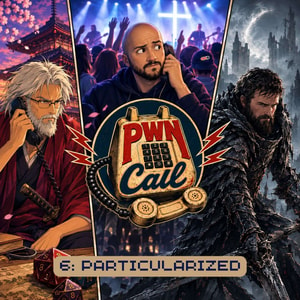
In this episode of the PWN Call, Nate, Josh, and Paul catch up on life and talk about the media, hobbies, and experiences they've been enjoying lately. From reflections on Hebrews 9 and Christian fellowship to Dragon Ball toys at Burger King, Rurouni Kenshin live-action films, poetry projects, storms, friendships, and also some talk about video games, this episode is a celebration of enjoying good things and sharing them with friends.
The PWN Call is a casual conversation podcast from members and friends of the Play Well Network, where we discuss video games, books, movies, faith, and the media that's been shaping our lives. Rabbit trails may or may not be included.
Enjoying the conversation? Follow The Backlog Breakdown, leave a review, and help us encourage thoughtful engagement with video games, faith, and culture.
🔗 Support the show, read our articles, and connect with us: https://linktr.ee/thebacklogbreakdown